
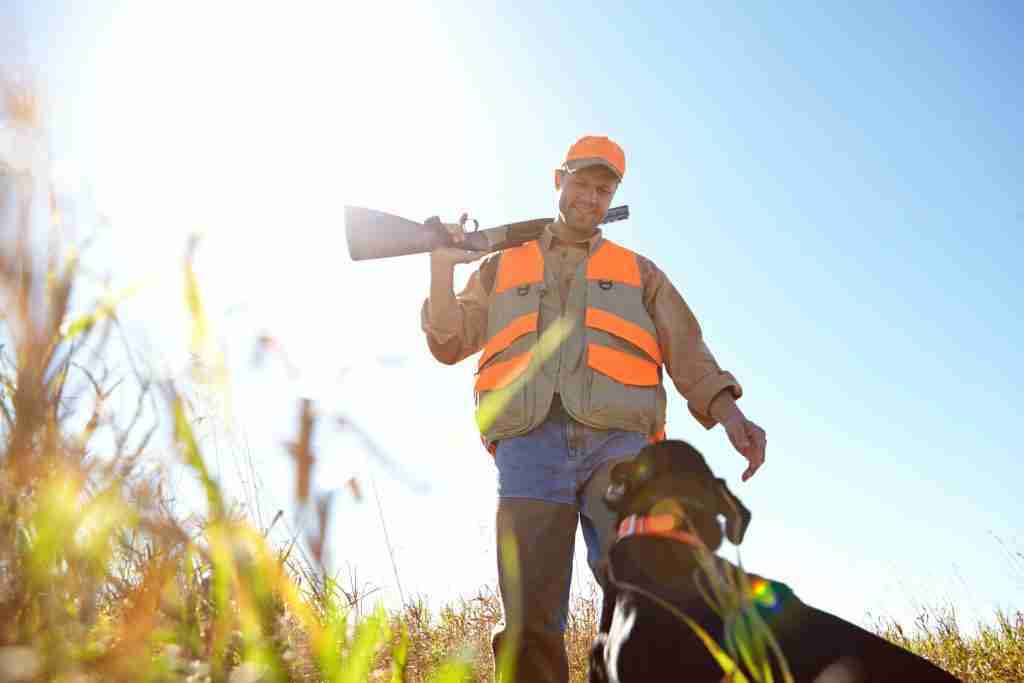
Hunting during the early morning hours or as dusk settles offers some of the best opportunities to spot game, but it also presents challenges that even experienced hunters can find difficult. When visibility is limited, preparation and the right equipment are essential to maintain safety, accuracy, and ethical hunting practices. Whether you are heading into the woods before dawn or tracking deer through shaded terrain, understanding hunting low-light conditions and choosing the right gear can make all the difference.
Understanding Low-Light Hunting Environments
Low-light hunting conditions often occur around dawn and dusk, or in dense forests with heavy canopy. During these times, reduced visibility can make spotting movement and identifying details more difficult. To hunt effectively, you need to understand how light transmission influences what you can see. Simply put, optics that let more light through produce clearer, brighter images.
Another key factor is the exit pupil, which refers to the size of the beam of light that leaves your scope or binoculars. A larger exit pupil allows more light to reach your eyes, making it easier to see in dim conditions. When hunting in shaded areas or on cloudy days, choose optics that maximize light transmission and have a generous exit pupil. This combination provides sharper visuals and helps your eyes adapt more comfortably to changing light levels.
If you are looking for dawn hunting tips, take time to let your eyes adjust before scanning your surroundings. As daylight increases, subtle movements become easier to detect. In the evening, when dusk sets in, practice dusk hunting safety by positioning yourself so the remaining light is behind you. This setup enhances contrast, helping you see targets more clearly while reducing glare.
Understanding these environmental factors prepares you to make informed choices about the gear you bring into the field.
Gear Essentials: Optics, Lights, Camo, and Clothing
When preparing for a low-light hunt, focus on gear that enhances visibility, safety, and comfort. Breaking down each category helps ensure you are prepared for every condition.
Optics:
- Choose binoculars or rifle scopes with multi-coated lenses for maximum light transmission.
- Larger objective lenses capture more light and create brighter images in dim conditions.
- Use models designed for dawn and dusk visibility to ensure sharp focus without glare.
- If you use night-vision hunting gear, select options that balance brightness and clarity to avoid distortion.
Lighting Gear:
- Bring a dependable flashlight or headlamp with adjustable brightness settings.
- Red or green light modes preserve your night vision and reduce the chance of startling wildlife.
- For stationary hunts, use a mounted light or lantern to create steady, soft illumination without harsh shadows.
Clothing:
- Select camouflage patterns suited to low-light environments like dark greens, browns, and grays.
- Dress in layers for warmth during early hours and flexibility as temperatures rise.
- Choose quiet, insulated outerwear and waterproof boots for comfort, stealth, and dryness.
Safety Gear and Navigation
Even experienced hunters can lose their bearings when visibility drops. Dusk hunting safety depends on reliable navigation tools and visibility markers. Carry a headlamp with backup batteries and use reflective tags on trails or tree stands to mark your route. These small details help you find your way without relying solely on memory.
While a GPS device or mapping app can guide you through the terrain, always bring a physical map and compass as backups. Batteries can fail, and signal strength may weaken in remote areas. Establish clear communication with hunting partners and agree on meeting points before you separate. Visibility may be limited, but proper preparation ensures everyone stays safe.
Practice and Prepping for Hunting in Low-Light
Strong hunting skills are just as essential as reliable gear. Low-light hunting requires precision, patience, and familiarity with changing light conditions. Practicing under realistic circumstances helps you prepare for the challenges of dawn and dusk hunts.
Skill Building:
- Practice shooting during the same hours you plan to hunt so your eyes and reflexes adapt to lower light levels.
- Test your optics under different lighting conditions to see how clarity and focus change as light fades.
- Observe how animals behave in early morning and late evening hours to anticipate movement patterns.
Movement and Stealth:
- Avoid sudden movements that can reveal your position. Move slowly and deliberately.
- Rely on your hearing as much as your sight to detect wildlife activity.
- Use scent-blocking sprays or clothing to reduce detection, since animals depend more on smell when light is limited.
By practicing these techniques, you will become more confident and efficient in the field, ready to adapt when visibility is low.
Ethical Considerations and Following Regulations
Hunting ethically in low-light conditions means knowing when to take a shot and when to hold back. Reduced visibility can make it difficult to confirm your target, leading to potential misidentification. Follow all local regulations regarding legal shooting hours, which typically begin after sunrise and end before sunset. These laws protect both wildlife and hunter safety.
Consider how your light source affects others. Avoid shining powerful lights into nearby areas where other hunters may be active. Responsible use of lighting gear ensures fairness and maintains a respectful hunting environment. Ethical hunting is not only about following rules but also about practicing patience and respect for nature.
Post Hunt: Tracking and Gear Cleanup
After a successful hunt, low-light conditions can make tracking more challenging. This makes a bright, reliable flashlight essential for following trails and looking for signs of movement. A headlamp keeps your hands free for field dressing or carrying gear. Reflective tape or glow markers can help you locate your equipment when returning to camp in the dark.
Once the hunt concludes, take time to clean and maintain your optics, lights, and clothing. Wipe lenses with a microfiber cloth, replace used batteries, and inspect your gear for moisture or debris. Proper maintenance extends the life of your equipment and ensures it performs well on your next trip.
Hunting in low-light conditions can be both rewarding and demanding. With careful planning, the right gear, and disciplined preparation, you can safely experience the thrill of hunting when wildlife is most active.
Experience Outdoor Living!
At Omni Outdoor Living, we make it our mission to help customers get the most out of their outdoor experiences. We offer quality outdoor products focused on outdoor recreation, DIY projects, entertaining friends and family, or just relaxing outside. Explore Omni’s selection of hunting optics and lighting gear.


