
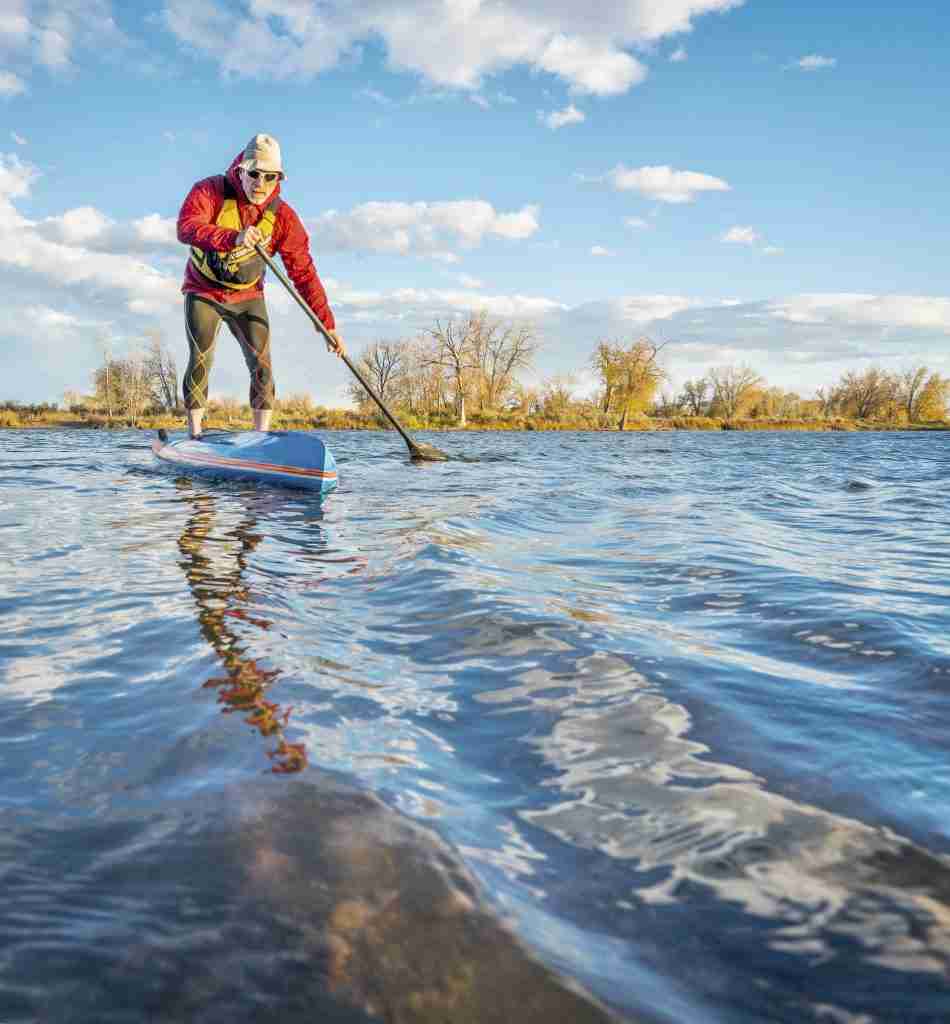
Stand-up paddleboarding, or SUP, is one of the fastest-growing water sports because it combines fitness, relaxation, and adventure in one smooth glide. For beginners, though, the learning curve can feel intimidating. Between finding balance, choosing the right gear, and learning proper paddle technique, there are plenty of small mistakes that can make the first few sessions less enjoyable. This beginner’s guide will walk you through the most common stand-up paddleboarding mistakes and how to correct them so you can feel confident and safe on the water.
Mistake 1: Wrong Board Size or Shape for Your Skill
Choosing the right board is the foundation of a good paddleboarding experience. Many beginners make the mistake of starting with a board that is too small or narrow. Smaller boards are designed for speed and maneuverability, while larger boards offer better stability and balance. If you’re new to the sport, look for an inflatable paddleboard with a wide body and enough thickness and volume for extra buoyancy.
Before you get on the water, grab the handle at the center of the board to check its balance point. This is a good indicator of where to stand to keep your weight evenly distributed. Beginners also appreciate inflatable boards because they are easy to store, transport, and repair if needed. When comparing options, consider the board’s width and volume relative to your height and weight rather than just its length. Wider boards or those with higher volume provide better stability for beginners learning how to choose a board that matches their skill level.
Mistake 2: Poor Paddle Technique
A proper paddle technique helps you move efficiently and maintain stability. Many beginners mistakenly hold the paddle backward or with their top hand too close to the blade. Always grip the handle with one hand on top and the other partway down the shaft. The blade in the water should angle forward, scooping water with each stroke.
Keep the paddle close to the side of the board as you move, planting the blade fully before pulling back. Engage your core muscles instead of relying only on your arms. This allows for smoother motion and provides a full-body workout. When turning, use a sweep stroke by extending the paddle out wider in a half-circle motion. Practicing good posture, including slightly bent knees, a straight back, and eyes forward, will make balancing easier and reduce fatigue over time.
Mistake 3: Ignoring Safety and Environment
Ignoring safety is one of the biggest beginner mistakes. Conditions on the water can change quickly, so being prepared is key. Always wear a personal flotation device (PFD) designed for paddle sports. In some areas, carrying a PFD is legally required, even if it’s not worn. Even strong swimmers can tire easily if they fall in or encounter strong currents.
Check the weather forecast before heading out, and avoid windy or choppy conditions until you’re confident in your balance. Cold water temperatures call for a wetsuit or dry suit to help regulate body temperature and prevent hypothermia. Pack a safety whistle or another signaling device to alert nearby boaters or paddlers if you need assistance. Respect your environment and be aware of local paddleboarding safety tips and regulations that may apply to your area.
Mistake 4: Bad Launch and Landing Practices
The launch can set the tone for your entire session. Many beginners try to stand up too early or in unstable water. To launch safely, start in calm, shallow water where you can kneel on the board while you get your bearings. Practicing the kneeling position first builds confidence and balance. Place your paddle across the board in front of you, then push off gently with your hands. Once you’re clear of the shallows and feel balanced, rise to a standing position with one foot at a time placed near the center of the board.
When landing, approach the shore slowly with the nose of the board facing open water to prevent damage from waves. Step off gently, and use the carry handle to lift and move your board. Practicing smooth entries and exits helps you conserve energy and protect your gear.
Mistake 5: Skipping Basic Gear
Just like any outdoor activity, paddleboarding requires more than just the main equipment. Beginners sometimes overlook the essentials that keep them safe and comfortable. A leash keeps you connected to your board if you fall, preventing it from drifting away in the wind or current. A dry bag keeps your phone, keys, and valuables secure and moisture-free. Don’t forget to bring water and sunscreen, as being out on the water for long periods can lead to dehydration or sunburn.
If you plan longer paddling sessions, pack snacks or energy gels and take short breaks to stretch. Overlooking these small items can turn an otherwise enjoyable day into a frustrating one.
Tips for Fast Skill Improvement and Confidence
Building your paddleboarding confidence comes down to practice and awareness:
- Start on calm lakes or slow-moving rivers where you can focus on balance and form.
- Spend time paddling on your knees to strengthen your stability before transitioning to standing for longer stretches.
- Use short sessions to improve specific skills, like your paddle in the water angle or foot positioning.
- Focus on one technique at a time, such as improving your sweep stroke or fine-tuning your weight distribution.
- Be patient with yourself — paddleboarding is both a skill and a mindset.
Consistency is key. As your technique improves, you’ll find yourself gliding with ease and truly connecting with the water’s rhythm. Every session builds confidence, balance, and a deeper appreciation for nature. With time, what once felt challenging will become second nature, and you’ll discover why so many people fall in love with the calm and adventure of stand-up paddleboarding.
Experience Outdoor Living!
At Omni Outdoor Living, we make it our mission to help our customers make the most out of their outdoor experiences. We offer quality outdoor products focused on outdoor recreation, DIY projects, entertaining friends and family, or just relaxing outside! If you have any questions about your outdoor experience or our wide range of outdoor products, don’t hesitate to contact us today!


