
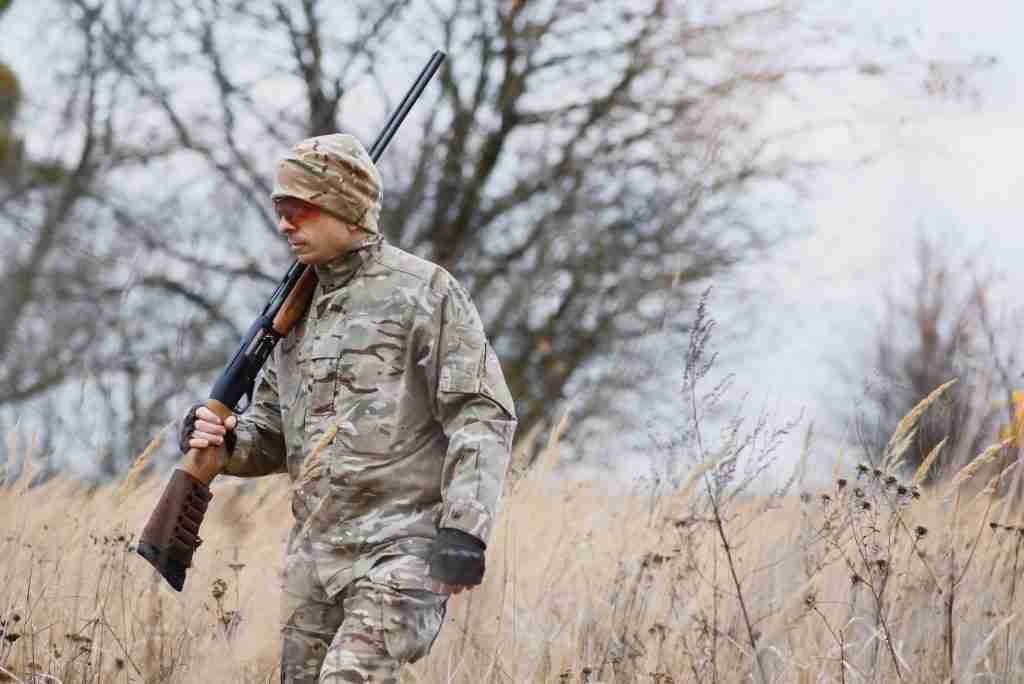
Preparing for a hunting trip means more than grabbing your weapon and heading into the woods. Successful hunts depend on the right equipment, a smart strategy, and a commitment to safety. Whether you are a first-time hunter or a seasoned outdoorsman, taking time to assess your gear, plan your approach, and manage risks can make every outing more rewarding. Here’s our guide to help you choose essential hunting gear, refine your strategy, and protect your health and safety in the field.
1. Essential Hunting Gear
Before diving into specific items, it’s important to understand that your hunting gear forms the foundation of your success and safety. Quality equipment not only improves performance but also ensures comfort and preparedness in unpredictable outdoor conditions. Whether it’s your first hunt or your hundredth, reviewing your gear checklist helps prevent mishaps and keeps you focused on the experience ahead.
Rugged Gear Carry and Storage
When trekking through uneven terrain or setting up camp miles from the truck, you need a pack that can handle the workload. The Banks Outdoors Bucket Backpack combines a structured five-gallon bucket with a durable backpack harness, giving you both stability and portability. This hybrid system helps improve preparedness by making it easy to organize gear, haul supplies, or even use the bucket as a seat during long hours in the field. Its design is ideal for carrying essentials such as gloves, extra clothing, and your field box.
Camouflage and Weather-Resistant Apparel
Layering is key for any hunting trip. Start with a breathable base layer that keeps you dry, followed by a warm mid-layer for insulation. Top it off with a heated camouflage hoodie, hunting gloves, boots, and headgear to stay warm and concealed. Omni Outdoor Living offers a wide selection of hunting apparel that blends comfort with weather resistance, helping you maintain focus no matter the forecast.
Concealment Platforms and Elevated Vantage Points
A well-placed tree stand or hunting blind increases your visibility while minimizing scent and sound. Elevated positions allow you to scan a wider area and anticipate game movement. When choosing a stand or blind, look for options with sturdy construction, silent zippers or closures, and enough space for your weapon and gear. Always use a full-body fall-arrest harness when using an elevated stand, and remember that most falls occur while climbing in or out of the stand. Taking these precautions significantly reduces the risk of injury.
Field Utility Gear and Multi-Tools
A versatile multi-tool is a must-have piece of gear for every hunter. The Birchwood Casey Pistol Gun Multi-Tool provides the ability to perform quick repairs or adjustments in the field, keeping your equipment in top shape. It can also help with tasks like cutting rope, tightening screws, or opening packaging. Pack a field box to keep your tools, ammunition, and other essentials organized and protected from the elements. These tools help improve preparedness, so you can handle minor challenges without interrupting your hunt.
High-Visibility and Safety Apparel
Safety gear is just as critical as hunting gear. Safety vests and harnesses make you visible to other hunters and secure when using elevated setups. Choose blaze orange or reflective gear that meets hunting regulations in your area. These garments act as personal protective equipment and should be part of your standard hunting checklist.
2. Strategy for a Successful Hunt
Preparation and strategy are key factors that separate a good hunt from a great one. Here are a few quick tips to keep in mind:
- Assess risks early: Study the land, weather, and hunting regulations to plan your route and identify safe zones.
- Inspect and adjust: Check all your gear before leaving, and use layered clothing to stay comfortable in fluctuating temperatures.
- Stay hydrated: Bring a water filter, purification tablets, or a hydration bladder system for long trips.
- Scout ahead: Visit the hunting area early to identify animal patterns and ideal blind or stand locations.
- Adapt and plan: Keep noise and scent control in mind and have a backup plan for shifting conditions.
3. Safety and Preparedness in the Field
Safety should always guide your choices in the outdoors, as it lays the foundation for all the safety measures and best practices that follow. Many of the same principles found in workplace safety also apply to hunting. Create a safety plan that includes identifying potential hazards, staying in touch with others, and knowing what to do in an emergency. Whether you’re working outdoors or tracking game, staying aware of your surroundings helps prevent accidents and keeps you safe.
Pack a first aid kit and keep it in an accessible pocket of your backpack or bucket pack. Include essentials like adhesive bandages, antiseptic wipes, tweezers, and medical tape. For minor injuries, proper wound care reduces the risk of infection and keeps you comfortable. A well-prepared hunter practices the same diligence as a safety specialist, ensuring all gear is checked and ready before each outing.
Follow hunting regulations carefully to protect yourself and others. These laws are designed to prevent injuries, preserve wildlife populations, and maintain ethical standards. Review your state’s requirements for gear, attire, and hunting seasons before every trip. Following these rules promotes a culture of responsibility similar to that found in formal health programs or occupational safety guidelines.
Finally, remember that safety and success go hand in hand. Every piece of gear you choose should contribute to your comfort, protection, and readiness. Treat the outdoors like a professional environment, where preparation, awareness, and respect for the elements ensure a positive, rewarding experience.
Experience Outdoor Living!
At Omni Outdoor Living, we make it our mission to help customers get the most out of their outdoor experiences. We offer quality outdoor products focused on outdoor recreation, DIY projects, entertaining friends and family, or just relaxing outside.


