
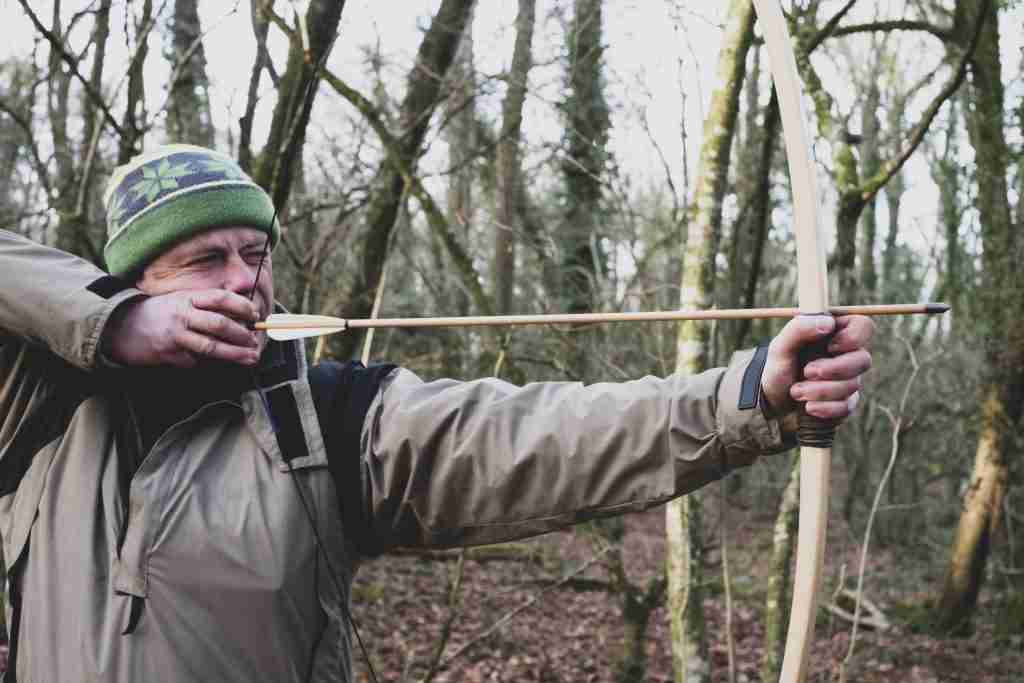
Bow hunting offers a unique connection to the outdoors that combines patience, skill, and close-range strategy. For beginners, the learning curve can feel steep, not because it is complicated, but because there is a lot of new terminology and equipment to understand. This guide walks through the fundamentals of bow hunting from selecting your first gear to preparing for your first ethical shot, with the goal of helping you feel informed and confident rather than overwhelmed.
Choosing the Right Bow to Get Started
Most new bow hunters begin with compound bows because they are designed to be adjustable, forgiving, and efficient. A compound bow uses cams and cables to reduce the amount of force required to hold the string at full draw, making it easier to aim steadily.
When you buy a bow, two specifications matter most at the beginning: draw weight and draw length. Draw weight refers to how much force is required to pull the string back. Beginners often assume heavier draw weight is better, but accuracy and consistency matter far more. A bow that is comfortable to draw and hold will help you accurately shoot much sooner than one that feels too heavy.
Draw length is the distance the string travels from rest to full draw. This measurement is specific to your body and arm span. An archery shop can measure your draw length and help adjust the bow to fit you properly. A well-fitted bow reduces strain and makes shooting a bow feel natural rather than forced.
Understanding Essential Bow Hunting Gear
A compound bow is only part of the setup. Several key components work together to help you shoot consistently and safely.
The arrow rest supports the arrow as you draw and release the string. Many beginners start with a whisker biscuit style rest because it holds the arrow securely and requires little adjustment. More experienced hunters may choose drop-away rests, which fall out of the way during the shot to improve arrow flight.
A bow sight helps you aim accurately at different distances. Most beginner setups include multi-pin sights that allow you to reference yardage without complex adjustments. A wrist strap release attaches to your wrist and lets you release the string cleanly with a trigger rather than your fingers, improving consistency and reducing torque on the string.
Each piece of gear plays a role in helping you build good habits from the start.
Learning Proper Shooting Form
Shooting a bow well is about repeatable form, not strength alone. One of the most important concepts to learn early is your anchor point. This is the consistent spot on your face where your release hand rests at full draw. Using the same anchor point every time creates consistency and improves accuracy.
At full draw, your body should feel balanced and controlled, not strained. The goal is to reach a position where the bow is steady and the sight picture settles naturally. Rushing the shot often leads to poor results. Instead, focus on smooth movement, controlled breathing, and a steady release.
Practicing good form early helps you accurately shoot under pressure later, especially in hunting situations where adrenaline is involved.
Setting Up for the Hunt
Bow hunting success depends heavily on preparation in the hunting area. Understanding how animals move through the landscape allows you to position yourself effectively.
Trail cameras are useful tools for beginners because they help identify travel routes, feeding areas, and timing patterns. This information makes it easier to plan where to hunt and when to be there.
When hunting from a tree stand, pay close attention to potential shooting lanes. These are clear paths through brush or branches that allow for an unobstructed shot. Shots in bow hunting are taken at close range, so small obstructions matter. Preparing shooting lanes in advance increases confidence when an opportunity arises.
Taking Your First Ethical Shot
The moment of truth in bow hunting comes down to patience and discipline. Just because an animal is within range does not always mean it is the right shot. Waiting for a broadside or a slightly quartering-away angle increases the likelihood of a clean, ethical harvest.
Confidence comes from preparation. Knowing your effective range, understanding how your bow performs, and practicing realistic shooting scenarios all contribute to success. The goal is not just to hit the target, but to make a shot that respects the animal and the hunt.
Building Confidence Over Time
Every bow hunter starts somewhere. Progress comes from consistent practice, thoughtful setup, and learning from each experience. Spending time at the range, working with an archery shop, and hunting within your comfort zone all help build skill without pressure.
Bow hunting is a process. From buying your first bow to drawing back on your first opportunity, each step teaches you something valuable. With the right foundation, patience, and respect for the craft, the learning curve becomes part of what makes bow hunting so rewarding.
Experience Outdoor Living!
At Omni Outdoor Living, we make it our mission to help customers get the most out of their outdoor experiences. We offer quality outdoor products focused on outdoor recreation, DIY projects, entertaining friends and family, or just relaxing outside.


