
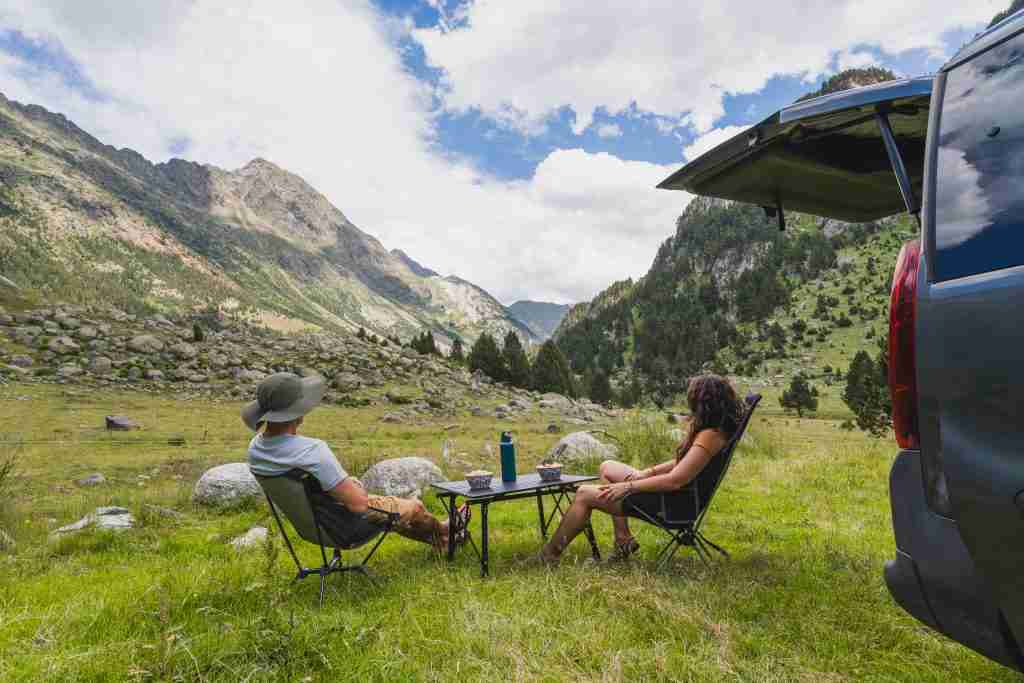
Dry camping, often called boondocking, appeals to RVers who want quiet nights, open views, and more flexibility than developed campgrounds allow. Whether you are planning a short off-grid weekend or exploring longer stretches of self-sufficient RV travel, dry camping requires more preparation. Without hookups for power, water, or waste, everything you need must be managed carefully. This guide covers the essentials so you can plan confidently and enjoy the experience without unnecessary stress.
Key Resources You Must Manage When Dry Camping
Successful dry camping depends on how well you manage a few core systems. Power, water, and waste all require advanced planning and daily awareness. When these resources are handled well, dry camping becomes far more comfortable and predictable.
Power
Power is often the first challenge RVers face when dry camping. Without shore power, you rely entirely on stored or generated energy.
Solar panels are a popular option, especially for weekend trips, since they quietly recharge batteries during daylight hours. Battery capacity matters just as much as generation, as it determines how long you can operate between charges. An inverter allows stored battery power to run household appliances, but conservation remains essential. Simple habits like using LED lights, limiting appliance use, and charging devices during peak sunlight help extend available power.
Water
Water often determines how long you can stay off-grid. RV freshwater tanks have limited capacity, so conservation starts as soon as you arrive.
Many dry campers carry extra containers of potable water to extend their stay. Some also use purification systems that allow refilling from approved natural sources. Even with added capacity, daily habits matter most. Shorter showers, mindful dishwashing, and turning off taps when not in use can significantly extend your water supply.
Before leaving, confirm where you can legally access potable water. Some state parks, national forests, and designated campgrounds allow tank filling even without an overnight stay.
Waste
Grey and black tank management requires planning before you leave and discipline while you camp. Without hookups, tanks can fill faster than expected if usage is not monitored.
Limiting water use helps slow tank buildup. Portable toilets can reduce demand on onboard systems, particularly for shorter trips. When tanks need to be emptied, disposal must happen at approved dump stations. Many developed campgrounds, RV parks, and some public land access points offer this service. Never dump waste on the ground or in unauthorized areas. Responsible disposal protects public land access for everyone.
Gear Checklist for Dry Camping
The right gear can make dry camping more comfortable and safer, especially for RVers building their first boondocking gear list. Focus on items that support safety and self-sufficiency rather than convenience alone.
- Camping stove for cooking without relying heavily on onboard power
- Portable toilet to reduce strain on grey and black tanks during shorter trips
- Heavy-duty jack stands to improve stability on uneven terrain
- Leveling blocks to help your RV sit safely on varied ground
- Extra potable water containers to extend time off-grid
- Basic repair tools for minor fixes while away from services
- Weather appropriate gear to handle temperature shifts and unexpected conditions
While it is tempting to overpack, dry camping works best when your setup stays efficient and intentional.
Location and Logistics When Dry Camping
Finding the right place to boondock takes research and an understanding of local regulations. Knowing where and how to find boondocking locations helps avoid issues once you arrive.
National forest and Bureau of Land Management BLM lands commonly allow dispersed camping, often with stay limits that range up to 14 days within a given area. These limits are not universal and can vary based on location, season, or land management plans, so checking current local guidelines before arrival is essential.
Some areas offer designated dispersed camping sites, while others allow camping as long as distance requirements from roads, water sources, and developed areas are followed. State parks and developed campgrounds usually require reservations and fees, though some offer dry camping areas without hookups.
Short-term overnight stops may also be possible at rest areas or parking lots, but permission depends on local ordinances and property policies. Posted signage and local guidance should always be followed. When choosing a site, consider road conditions, weather forecasts, and your RV’s capabilities before committing.
Safety, Sustainability, and Etiquette When Boondocking
Dry camping comes with shared responsibility, especially on public land. Practicing good etiquette helps protect access to free and low-cost camping areas.
Foremost, respect land ownership and posted rules at all times. Use established campsites when available to limit environmental impact. Everything you bring in should leave with you, including trash and food waste.
Next, consider that fire safety is especially important. Restrictions can change quickly due to weather and local conditions, so always verify the current rules before starting a fire. In some areas, open fires may be prohibited entirely.
Finally, noise discipline matters as well. Many people choose boondocking for peace and quiet, so generator use should be limited and respectful. Store food properly, avoid feeding wildlife, and maintain a safe distance to protect both animals and your campsite.
Making Dry Camping Work for You
Dry camping is not about roughing it. It is about preparation, awareness, and adapting your habits to a more self-sufficient style of travel. Starting with shorter trips helps you learn how your RV systems perform without hookups. Over time, experience leads to better decisions and a more efficient setup.
By managing power carefully, conserving water, handling waste responsibly, and respecting the land, dry camping becomes a rewarding way to explore. These off-grid RV living tips support a flexible travel style that opens access to places traditional campgrounds cannot reach.
Experience Outdoor Living!
At Omni Outdoor Living, we make it our mission to help customers get the most out of their outdoor experiences. We offer quality outdoor products focused on outdoor recreation, DIY projects, entertaining friends and family, or just relaxing outside.


