

The prefrontal cortexes of humans render us to be fairly clever creatures, capable of planning and organization. Approximately 15,000 years ago is when humans realized they could domesticate animals as a consistent and reliable source of food. This was a heck of a lot less energy-intensive than hunting on foot for long periods of time. Many of us still hunt today, but the process has evolved. Not long ago, the first deer food plots in the 1980s were used to minimize the chase. Our prefrontal cortexes strike again! This makes hunting less energy-intensive and less time-consuming, as we discovered a cunning nature hack to bring our prey. Building a DIY food plot can be quite simple. The key is to simulate an ideal environment for deer and other game, making it a place they naturally flock to. The increased population of deer makes for an elevated hunting experience and outcome. Here’s how to use soils, supplements, and best food plot seeds for deer to build your own high-level food plot for hunting!
Step 1: Choose A Suitable Location
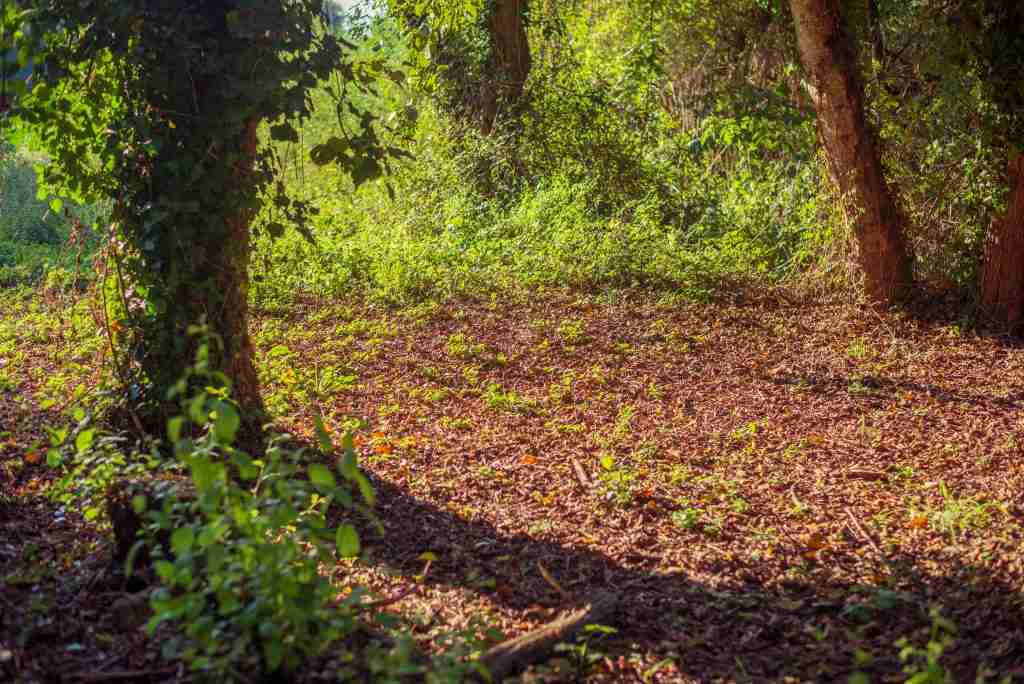
Your location must be conducive to growing plants, which means an area that gets enough sunlight, proper moisture levels, and the right type of soil. Your food plot seeds for deer will need moisture, but not so much that they stay drenched for too long. Excessively wooded areas will be difficult to grow many plants in, since they form a barrier to sunlight.
Step 2. Conduct a Soil Test
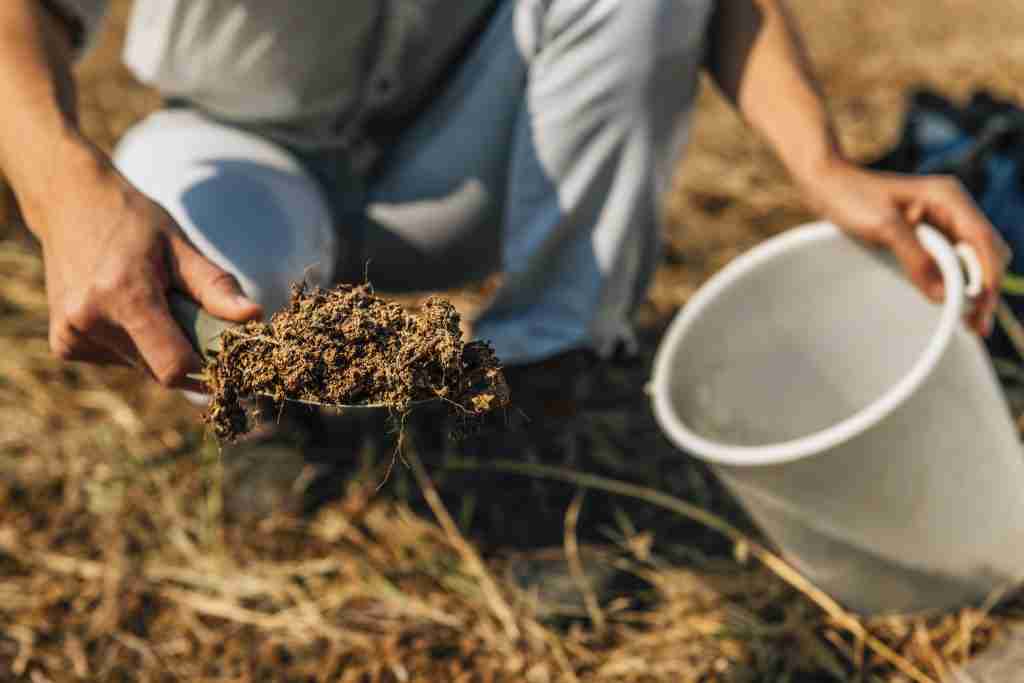
The soil has to be up to par to yield desirable and sustainable results for your food plot. Fertile, nutrient-available soil is the key to a bountiful harvest in your food plot. To achieve this kind of soil, its pH levels must be properly balanced. The pH must be balanced according to the nutrients and fertilizer within the soil. Some are made available in acidic environments, while others are made present by alkaline conditions.
To prepare, use a quality soil test and follow the instructions carefully. Be sure to remove the top layer of debris and organic matter, including any grass, leaves, and sticks. Then, take the equivalent of a fistful of soil from the root zone for an accurate test, which lies between two to six inches deep. Consider taking samples from multiple locations if your food plot spans a large surface area. Some areas might need different treatments than others. This will form a nice, nourishing bed to plant your food plot seeds for deer in.
Step 3. Mix Your Food Plot Seeds for Deer

Diversity is beneficial when simulating a deer habitat, but be careful not to overdo it. By throwing every possible kind of food plot seeds for deer in the mix, you risk creating a chaotic environment where the plant species must compete with each other. A highly diverse plot will be harder to track, and which species will prevail can be unpredictable.
Planting multiple different types of plant species can also limit your ability to use an herbicide that will effectively treat them all without killing them all. For example, if your plot contains both grass species and oats species, you wouldn’t be able to successfully treat the grass with a grass-specific herbicide without killing the oats and any other plant species on the plot. Knowing the terrain beforehand can also help you strategize in the war against weeds. If you know which types of weeds are a problem in a given area, you plant certain plants to combat them organically.
One last thing you’ll want to consider for your seed mix is which combinations are fit to handle high populations of deer. A high-density population of deer will wreak havoc on the wrong plant species. All this consistent grazing could cause the plants to die before they ever get the chance to thrive.
Step 4. Plant The Mix
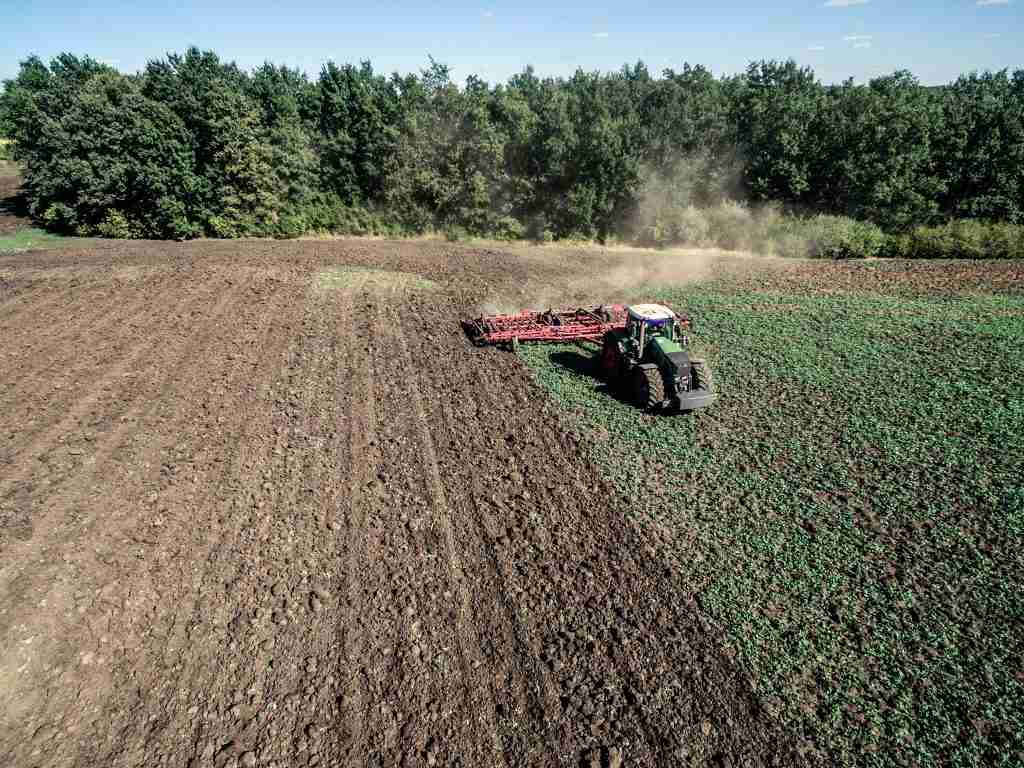
This is the step you’ve been waiting for: getting your food plot seeds in the ground. After all the planning comes the planting.
With a Tractor and Disk (Or a Tiller):
If you have a tractor at your disposal, along with a disk or tiller, you can use them to break up the soil to form a conducive seedbed. The goal here is to create an environment with good seed-to-soil contact to promote germination.
With A No-Till Drill
If you want to skip the tilling process, you’ll need a no-till drill. This would allow you to spray a broad-spectrum herbicide on existing vegetation. After that comes the part where you drill your food plot seeds for deer directly into the soil. One benefit to this method is that it doesn’t disrupt the ground as much as traditional tills, minimizing the presence of weeds.
Without A Tractor, Tiller, or Drill
If you don’t have access to these machines, there’s a simpler alternative that requires less equipment. You can remove the existing vegetation by using a hand sprayer or backpack sprayer to disperse a broad-spectrum herbicide. After that, you can cast your seeds to soil by hand, or by using a food plot seeder or spreader. Dispersing the seeds before a heavy rain is very advantageous, if possible, as it helps transport the seed from vegetation to the soil where it needs to be.
Step 5. Curb the Weeds
It’s important to know that not all weeds are detrimental to your deer food plots. Some are actually foraged by deer and many will not negatively impact the plant layout. Weeds do grow in the wild, too, so they could help simulate a fully natural ecosystem for deer foraging. Weeds become a problem when they’re non-native or noxious, with the ability to invade a whole portion of the plot. If you begin to notice patches of weed growth, start by spraying just those affected areas rather than immediately jumping to treating the entire plot.
Step 6. Add Supplements and Mineral Licks
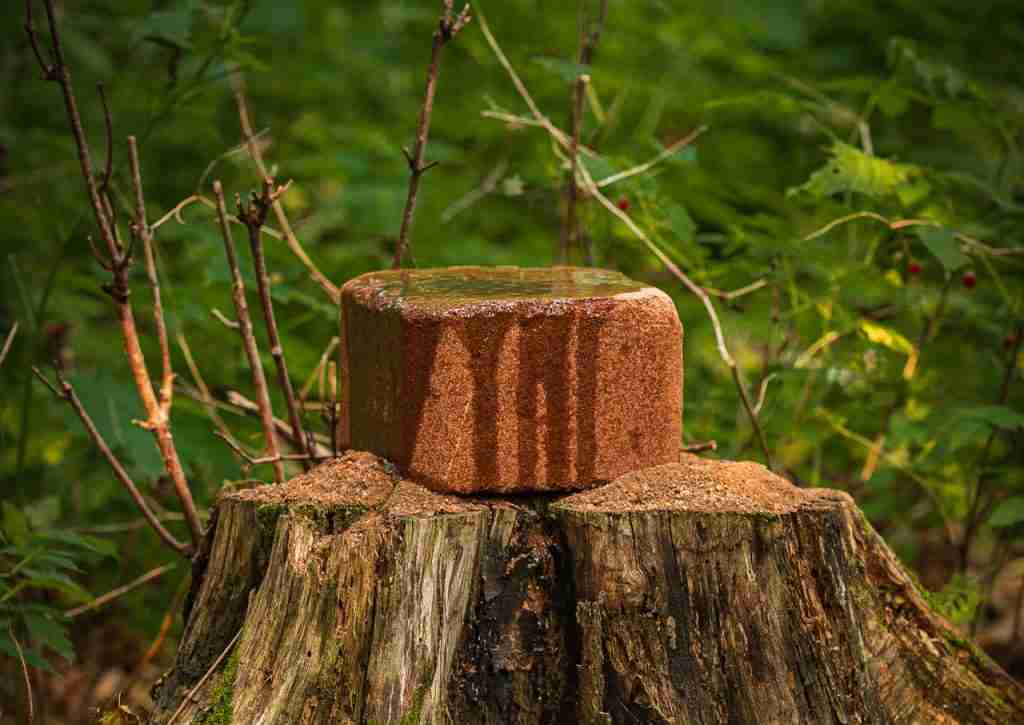
The best deer mineral licks will attract deer to your plot like sugar lovers to a candy store. In fact, there’s a top-notch brand of deer mineral called “Deer Candy.” It’s made from an aromatic blend of roasted peanuts, corn, bran, and sweet berry treats. Just lay the bait out in a zig-zag pattern, and wait for the deer to flock to your plot. Mineral licks provide vitamin and mineral supplements to deer’s diets that help them become strong and healthy.
Deer mineral blocks like Evolved Apple Buck Lickers include calcium and phosphorus to nourish deer, elk, and moose. They release a potent apple aroma that is irresistible to game, both near and far. Placing mineral licks for deer on your food plot will grow them into the prizes you’re after. Plus, when it rains, a good deer mineral block will nourish the soil, creating an enticing plant bed, power-packed with nutritious supplements for the flora and fauna alike. Add a deer mineral block or deer supplements to fortify your deer food plot and reach new hunting heights!
Prepare For the Hunt!

With the right equipment, you can build the best deer-attractant food plot on the grounds. Taking the time to study the chemistry of your plot and materials will go a long way. From there, you can make an informed decision about the best food plot seeds for deer, food plot seeder, soil, supplements, and feeders for your plot. It’s as they say: build it, and they will come. So, get ready for the deer to flock to your plot and prepare for the hunt!
Experience Outdoor Living!
At Omni Outdoor Living, we make it our mission to help customers get the most out of their outdoor experiences. We offer quality outdoor products focused on outdoor recreation, DIY projects, entertaining friends and family, or just relaxing outside.


