
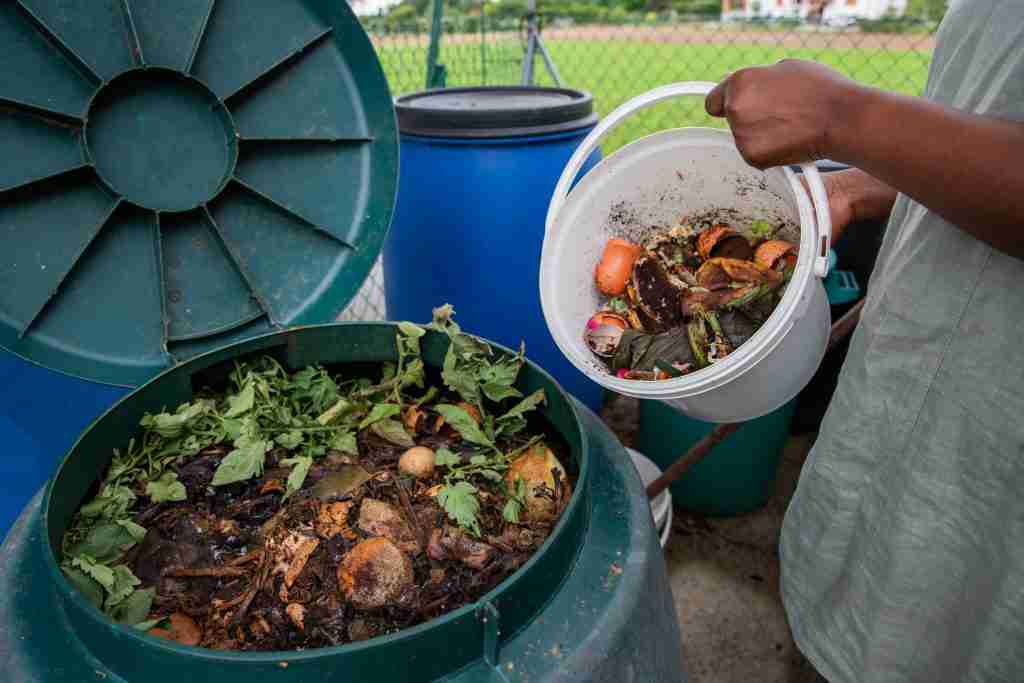
Composting is all about turning everyday yard waste and kitchen scraps into something surprisingly rewarding for your garden. What starts as leftovers and trimmings slowly transforms into rich, crumbly compost that gardeners often call garden gold. For first-time composters, the process might sound intimidating at first, but composting is really just nature doing what it does best. With a little guidance and a few simple habits, composting becomes an easy and satisfying part of caring for your garden.
Understanding How Composting Works
Check out the basics of composting below.
How Does Composting Happen?
Composting is already happening all around us. Leaves fall, plants break down, and soil rebuilds itself season after season. Microorganisms, insects, and fungi quietly get to work, turning organic material into nutrient-rich matter that feeds future growth.
Home composting simply gives this natural process a place to happen more efficiently. When materials are combined thoughtfully and given the right conditions, compost forms faster and more reliably, all without complicated steps.
What Makes Good Compost
Great compost comes from balance. Compost piles thrive when different materials work together, each playing a role in the breakdown process.
Green materials add nitrogen and include things like vegetable scraps, fruit peels, and grass clippings. Brown materials provide carbon and include dry leaves, straw, and small twigs. Together, they create the environment microorganisms need to break everything down into usable compost.
Getting Started With Composting at Home
Here’s how you can get started with composting at home.
Choosing a Composting Method
One of the best things about composting is its flexibility. Backyard piles, bins, and tumblers all work, and the best option is often the one that fits your space and routine. Gardeners with large yards may prefer open piles, while smaller spaces often benefit from contained systems.
The goal is not perfection. Composting works best when it feels easy to maintain and simple to access.
Selecting the Right Location
Where you place your compost can make the process feel effortless or inconvenient. A good compost spot is easy to reach but out of the way of daily foot traffic. Partial shade helps keep compost from drying out too quickly, while proper drainage prevents excess moisture from building up.
When compost is nearby and accessible, it is much more likely to become part of your regular routine.
What to Compost and What to Avoid
For the best bet at success, consider the do’s and don’ts of composting.
Materials That Work Well in Compost
Many everyday materials break down beautifully in compost, making it easy to get started right away. Most plant-based kitchen scraps and yard debris are perfect candidates.
Common compost-friendly materials include:
- Vegetable and fruit scraps
- Coffee grounds and filters
- Grass clippings
- Dry leaves and small branches
- Garden trimmings
Chopping or tearing larger pieces helps them break down faster, keeping compost active and balanced.
Materials Best Left Out
Some items can slow the composting process or create unwanted smells. Meat, dairy, and oily foods tend to attract pests, while treated wood and synthetic materials do not break down naturally.
Sticking with simple, plant-based materials keeps composting for beginners manageable and stress-free.
Managing Your Compost Over Time
Employ the following tips to manage your compost.
Balancing Moisture and Airflow
Healthy compost should feel slightly damp, similar to a wrung-out sponge. Too much moisture can cause compost to compact, while too little moisture slows decomposition. Dry materials help absorb excess moisture, while a light watering can revive a dry pile.
Turning compost occasionally introduces air and helps materials break down evenly. Some compost bins have a rotating feature, making it easy to refresh your pile. For most beginners, turning the pile every few weeks is more than enough.
How Long Does Composting Take?
Composting is a gradual process, and that is part of its charm. Under the right conditions, compost can be ready in a few months. Cooler temperatures or less frequent turning may extend the timeline, but the end result remains the same.
Finished compost is dark, crumbly, and smells earthy, with no recognizable food scraps remaining.
Beginner Compost Troubleshooting Tips
Beginner composting comes with a learning curve, but most issues are easy to fix once you know what to look for.
When Compost Smells Bad
Unpleasant odors usually mean the compost is too wet or lacking airflow. Adding dry materials like leaves or straw and turning the pile helps restore balance. Compost should smell earthy, not sour or rotten.
When Compost Is Not Breaking Down
If compost seems stalled, it often needs more green material or better airflow. Mixing in fresh plant scraps and turning the pile can help reactivate the breakdown process. Cutting materials into smaller pieces also speeds things up.
When Compost Is Too Dry
Dry compost slows decomposition. Lightly watering the pile and mixing materials helps reintroduce moisture. Compost should never be soaked, but it should not feel dusty or brittle either.
When Pests Become a Problem
Pests are usually attracted to food scraps left out. Burying kitchen waste beneath yard materials and avoiding meat or oily foods helps keep compost less appealing to animals.
When Compost Looks Finished but Feels Chunky
Sometimes compost is mostly ready but still contains larger pieces. Letting it sit a bit longer, or sifting out unfinished material, allows the compost to fully mature before use.
These small adjustments help first-time composters feel confident making changes without starting over.
Using Compost in the Garden
Ready to feed your garden? Here’s when, where, and how to use compost!
When and Where to Apply Compost
Compost is versatile and can be used throughout the growing season. Many gardeners mix compost into soil before planting, spread it around established plants, or blend it into garden beds to improve structure.
Because compost releases nutrients slowly, it supports steady plant growth without overwhelming roots.
Benefits for Soil and Plants
Adding compost improves soil texture, helps retain moisture, and encourages beneficial organisms. Over time, compost-enriched soil becomes easier to work with and better suited to supporting healthy plants.
Composting creates a natural cycle in which yard waste feeds future growth in your garden every season.
Turning yard waste into garden gold doesn’t require perfection or complicated systems. With a basic understanding of how composting works and a few troubleshooting skills, first-time composters can adjust their approach as they go. Over time, composting becomes less about effort and more about watching nature quietly turn scraps into something valuable.
Experience Outdoor Living
At Omni Outdoor Living, we make it our mission to help customers get the most out of their outdoor experiences. Whether you are tending a garden, managing outdoor spaces, or learning new ways to work with nature, our focus is on helping you create outdoor environments that feel productive, enjoyable, and well-cared-for.


