
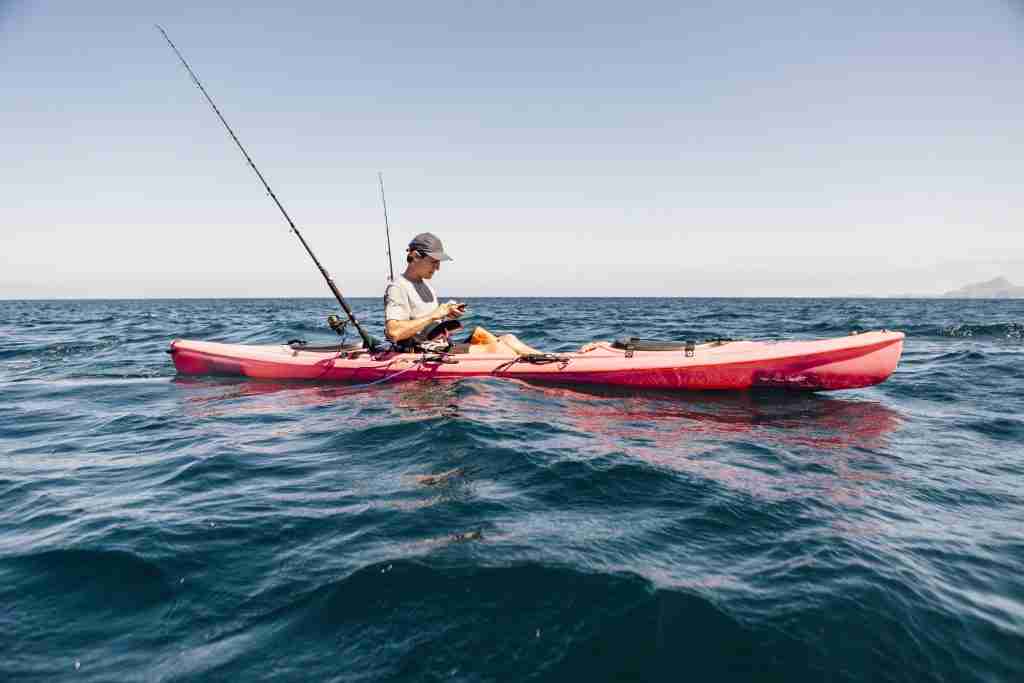
Kayak fishing puts you closer to the action than almost any other way to fish. You’re low to the water, quiet enough to avoid spooking the fish, and can sneak into spots a bass boat could never reach. But getting there takes some prep work. A good kayak fishing setup comes down to four things: picking the right kayak, rigging it out, organizing your tackle, and keeping yourself safe on the water. Nail those four stages, and you’ll wonder why it took you so long to make the switch. Here’s what you need to know about fishing from a kayak.
What Kind of Kayak Works Best for Fishing?
Fishing kayaks and recreational kayaks might look similar on the lot, but the difference shows up fast once you’re on the water. Purpose-built fishing kayaks are wider and flatter, which means more stability when you’re fighting a fish or reaching for your tackle tray. They also come ready for action, with built-in rod holders, gear tracks along the rails, and usually a flat rear platform that doubles as a staging area for your gear.
Sit-on-top kayaks are the overwhelming favorite among anglers for good reason. You can move around, your legs aren’t locked in, and if you capsize, you can re-enter without draining the cockpit. Sit-in kayaks can work in calm water, but the limited mobility and harder recovery after a tip-over make them a trickier choice for fishing.
Length matters too. Something in the 10- to 12-foot range handles beautifully in tight spots like creek mouths and lily pad flats. If you’re paddling open water or need to cover serious ground, step up to 12-14 feet for better tracking and speed. And if standing up to fish is on your list, look for something 32 inches or more wide. That extra beam makes a real difference when a fish pulls hard.
Your Kayak Fishing Setup Starts With the Right Rigging
This is where things get fun. Even a basic rigging job transforms a bare kayak into something you can use for fishing. And the best part is that these upgrades are quick and easy.
Rod holders are usually the first add-on anglers reach for. Flush-mount holders keep rods low and out of the way while you paddle. Adjustable clamp-on holders give you more flexibility for different casting angles or hands-free trolling. Most fishing kayaks come with gear tracks already molded into the sides, so you can slide and lock accessories into position without any permanent modification.
An anchor system matters more than first-timers expect. An anchor trolley lets you control which direction the bow faces relative to wind and current, so you can stay in the strike zone without constantly repositioning. In shallow water, a simple stakeout pole beats an anchor every time. It’s silent, and you can pull it and reposition it in seconds.
Electronics are optional, but a compact fish finder changes the way you read water. Most kayak anglers mount the display unit on the bow where it’s easy to see, with the battery stowed low and centered in the hull near the seat to keep weight distribution where it belongs. Whatever you use, route the wiring cleanly and keep it out of your casting lanes.
Pedal vs Paddle for Fishing
Pedal drives are a game-changer on open water. Your feet do the work, both hands stay free, and you can hold position or cover water without ever setting your rod down. For fishing anywhere with a current to push against, a pedal kayak earns its keep quickly. The tradeoff is weight, cost, and a drive system that doesn’t love shallow, weedy water.
Paddle kayaks are lighter and quieter. Plus, they’re a lot easier to slip into a tight cover. They’re also simpler to maintain and friendlier on the wallet, especially when you’re just starting out. For small ponds, narrow creeks, or flooded timber, a paddle kayak will often outfish a pedal rig simply because it goes places the pedal drive can’t.
Honestly, neither one is wrong. Start with a paddle kayak if you’re new to it, and upgrade to a pedal drive once you know the type of water you fish most.
Tackle Storage on a Kayak
Kayak fishing has a way of forcing you to fish smarter. You don’t have room for every lure you own, and that’s actually a good thing.
Good waterproof tackle storage is non-negotiable. Water gets everywhere, whether from your paddle, splashing waves, or a rainy morning on the lake. Sealed tackle trays and dry bags keep your gear dry and organized. A lot of kayak anglers build a small crate setup on the rear platform using a milk crate or purpose-built kayak crate, with tackle trays, pliers, a net, and a rod or two within easy reach.
Keep the stuff you reach for most, like your go-to lures and terminal tackle, in a small tray mounted on the front deck or clipped to your PFD. Leave the big restock box in the truck and refill on shore. The less time you spend digging, the more time your line stays in the water.
Your kayak fishing accessories also need a home on the boat before you leave the dock, not after you’re already floating. Heavier items go low and toward the center. Lighter stuff can ride in side pockets or the bow. A well-balanced kayak is a stable kayak, and that matters a lot when a fish makes a run.
Stability and Weight Distribution on the Water
Even a wide, stable fishing kayak can catch you off guard if you load it poorly or move too fast.
The rule of thumb is simple: heavy things go low, and everything stays centered. A heavy cooler perched up on the rear platform raises your center of gravity and makes the boat feel squirrelly.
That same cooler stuffed under the seat or in a low hatch keeps things planted. The same goes for you. Move slowly, pivot from your hips, and don’t lunge across the boat when a fish takes off toward the far bank.
Standing up to fish is absolutely doable on a wider fishing kayak, but it takes some getting used to. Practice in shallow, calm water close to shore first. Feet wide, knees slightly bent, and stay loose. Once you’ve got your balance mastered, standing changes how well you can see fish and makes certain casts a whole lot easier.
Safety Considerations Specific to Kayak Fishing
Kayak fishing is accessible and generally pretty safe, but it carries its own set of risks that are worth taking seriously before you head out.
Wear your PFD. Cold water shock hits in seconds, triggering an involuntary gasp reflex that can cause immediate drowning even for strong swimmers. Muscle failure and loss of swimming ability follow within minutes. A capsize comes out of nowhere, and the water does the rest fast. A comfortable, low-profile inflatable PFD takes away every excuse for leaving it in the hatch.
File a float plan, too. Tell someone where you’re launching, where you plan to be, and when to expect you back. Bring a whistle, keep your phone in a dry bag, and consider a paddle float and bilge pump if you’re venturing onto bigger water.
The one safety rule most beginners overlook is dressing for the water temperature rather than the air temperature. A warm spring day can put you in cold water, and cold water can become dangerous fast. So be sure to wear clothing that will protect you in the water.
If you’re a hunter looking for something to do in the off-season, kayak fishing is a natural fit. The patience, the stillness, the reading of terrain: those skills transfer directly. Our Beginner’s Guide to Bow Hunting digs into a similar mindset if you want to see where the two worlds overlap.
Where You Launch Matters More Than You Think
The water you fish should shape your whole setup, from the kayak you choose to the safety gear you bring.
Calm lakes and ponds are the best place to start. Forgiving conditions let you figure out your rigging, test your balance, and learn how the kayak moves without a lot of variables working against you. Rivers add current, which changes how you anchor, how you control the boat, and how you plan your entry and exit. Coastal and tidal water is a step up in complexity from rivers. Wind, waves, tides, and longer distances all demand more experience, more stability, and more safety prep than your average weekend pond trip.
Build your setup around where you actually fish, not where you think you might fish someday. A simple, well-organized rig that matches your water will catch more fish than an over-built setup you’re not ready to use.
Getting Out There Is the Best Part
Kayak fishing has a way of rewarding people who put in a little prep work upfront. Get the right kayak for your water, rig it out thoughtfully, keep your gear organized, and take the safety stuff seriously. After that, the learning curve flattens out fast. Every trip teaches you something new about your setup, your water, and what you actually need on the boat. Start simple, pay attention, and have fun with it. The spots you’ll reach from a kayak make it all worth it.
FAQ
Can you fish from a sit-in kayak?
You can, but sit-on-top kayaks are the better choice for most anglers. They’re easier to recover after a capsize, give you more freedom of movement, and keep your gear more accessible.
What’s the best kayak length for fishing?
For smaller water and tight spots, 10 to 12 feet is plenty. If you’re on big open lakes or need to paddle longer distances, 12 to 14 feet will track better and move more efficiently.
Do you need a pedal kayak to fish well?
Not at all. Plenty of serious anglers fish exclusively from paddle kayaks, especially in shallow or heavily vegetated water where pedal drives don’t work well anyway.
How do you anchor a kayak for fishing?
An anchor trolley gives you the most control, letting you adjust your kayak’s angle without moving the whole boat. In shallow water, a stakeout pole is quieter and faster to deploy.
Is kayak fishing safe for beginners?
Yes, with a few basics in place. Wear your PFD, stay close to shore while you’re learning, dress for the water temperature, and always let someone know your plan.
What size kayak do I need to stand and fish?
Look for something at least 32 to 34 inches wide. Most purpose-built fishing kayaks in the 12- to 14-foot range are designed with standing stability in mind, and many will say so right in the product specs.
Experience Outdoor Living!
At Omni Outdoor Living, we make it our mission to help customers get the most out of their outdoor experiences. We offer quality outdoor products focused on outdoor recreation, DIY projects, entertaining friends and family, or just relaxing outside.


