
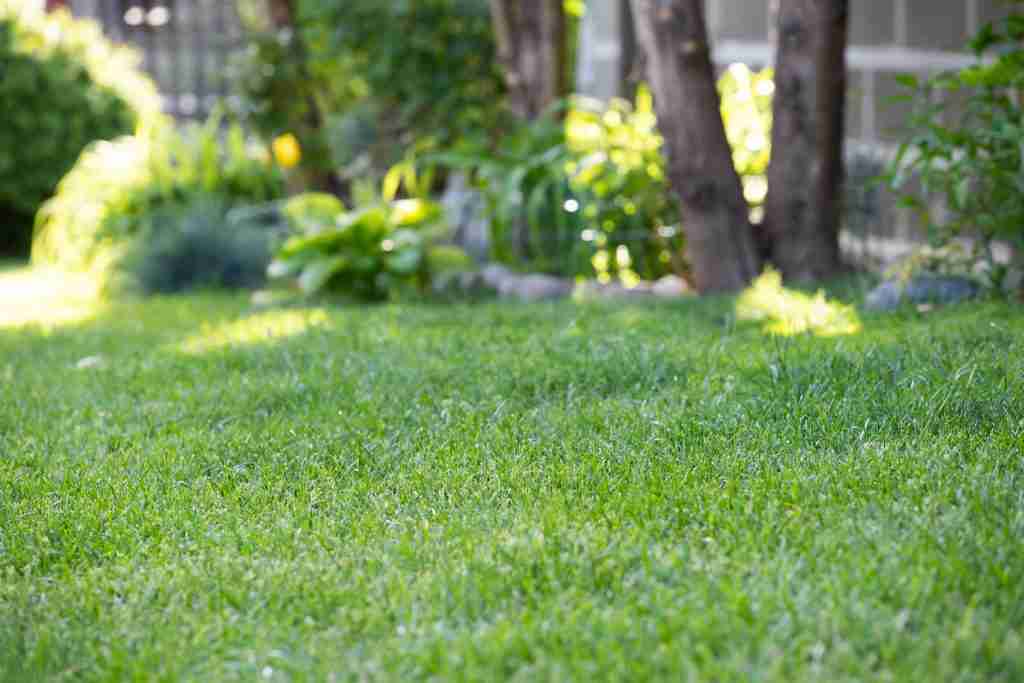
A beautiful lawn starts with the basics. Healthy lawns grow from healthy soil, good sunlight, and consistent care. Many homeowners think mowing is the most important step. In reality, proper lawn maintenance begins long before you mow your lawn.
Strong grass comes from understanding how soil, water, and nutrients work together. When these elements are balanced, grass growing in your yard becomes thicker, greener, and more resilient. With the right lawn care steps, even a yard with bare spots can become a lush outdoor space.
Whether you are improving an existing lawn or starting from scratch, learning how to maintain a healthy lawn can make a huge difference.
Healthy Soil Is the Foundation of Lawn Care
Every successful lawn begins with healthy soil. Soil supports root growth, delivers water and nutrients, and anchors grass in place. When soil is healthy, grass roots grow deeper and stronger.
One of the most common lawn problems is soil compaction. When soil becomes tightly packed, water and nutrients struggle to reach the roots. This can lead to thin grass, bare spots, and slow growth.
Improving soil structure is one of the most important lawn care steps. Aeration helps loosen compacted soil, so air and water can reach deeper layers. Many homeowners use reliable Agri-Fab lawn and garden tools for aeration, seeding, and spreading fertilizer.
Another helpful tool is a lawn roller. Using lawn rollers for soil leveling and seed establishment helps press seed firmly into the soil. This improves seed-to-soil contact and encourages faster grass growing. Lawn rollers also smooth uneven areas that can damage mower blades later.
Adding compost or organic matter can also improve soil health. These materials enrich the soil and support microorganisms that help grass absorb nutrients.
Healthy soil allows grass roots to develop fully, which leads to healthier lawns overall.
Choosing the Right Grass Type for Your Climate
Choosing the right grass type is essential for maintaining a healthy lawn. Different grasses grow best in different climates, and selecting the wrong type can create constant lawn problems.
In the United States, lawns generally fall into two categories.
Cool-season grasses grow best in northern regions. These grasses thrive during cooler temperatures in spring and fall. Popular examples include Kentucky bluegrass, fescue, and ryegrass.
Warm-season grasses perform better in southern climates. Bermuda grass, Zoysia, and St. Augustine are common warm-season options. These varieties are often more drought-tolerant and handle heat better.
Choosing the right grass helps reduce water use and simplifies lawn maintenance tasks. It also improves long-term lawn durability.
Sunlight, Water, and Nutrients for Strong Grass
Sunlight plays a major role in grass growing. Grass uses sunlight to produce energy through photosynthesis. Without enough light, grass becomes thin and weak.
Watering practices are just as important. Many homeowners water too frequently but not deeply enough. This creates shallow roots that struggle during dry periods.
Most lawns need about one inch of water per week, either from rainfall or irrigation. Deep watering encourages root growth and helps lawns tolerate drought conditions.
Watering early in the morning is usually best. This allows grass blades to dry during the day and reduces the risk of pests and diseases.
Proper watering habits also help reduce water waste and keep lawns healthy throughout the growing season.
Mowing Techniques That Help Maintain Healthy Lawns
Mowing is one of the most common lawn maintenance tasks, but proper mowing techniques are often overlooked.
One of the biggest mistakes homeowners make is cutting grass too short. Low mowing height weakens grass and exposes soil to sunlight. This allows weed seeds to germinate more easily.
Instead, try to maintain a slightly taller mowing height. Taller grass shades the soil, improves moisture retention, and helps control weeds.
Another helpful rule is the one-third rule. Never remove more than one-third of the grass blades during a single mowing session. This reduces stress on the plant and keeps lawns looking green and healthy.
Sharp mower blades are also essential. Dull blades tear grass rather than cutting it cleanly. Torn grass blades lose moisture and develop a brown or faded green color.
Quality replacement blades and equipment from Oregon Tool lawn equipment help keep mowing efficient and precise.
Fertilizing and Feeding Your Lawn
Grass constantly uses nutrients from the soil as it grows. Over time, these nutrients become depleted. Fertilizing helps restore the nutrients needed for strong growth.
Nitrogen is especially important because it promotes green color and thick turf. Phosphorus supports root growth, while potassium helps grass resist drought and stress.
Fertilizer timing depends on your grass type.
Cool-season grasses respond best to fertilization in spring and fall. Warm-season grasses grow most actively in late spring and summer.
Using spreaders and lawn equipment helps distribute fertilizer evenly. Even coverage improves soil health and reduces the chance of patchy growth.
Feeding your lawn properly helps strengthen root systems and maintain healthy lawns throughout the year.
Preventing Weeds, Pests, and Lawn Stress
Weeds often appear when lawns become thin or stressed. A dense lawn naturally helps control weeds because strong grass leaves little space for unwanted plants.
Maintaining proper mowing height, watering deeply, and fertilizing consistently all help prevent weed growth. Overseeding thin areas can also help fill bare spots before weeds take over.
Healthy lawns also resist many pests and diseases. When grass receives proper nutrients and water, it becomes stronger and more resilient.
Reducing lawn stress during hot or dry weather is also important. Limiting heavy foot traffic and adjusting watering schedules can help lawns recover more quickly.
Building an Outdoor Space You Can Enjoy
A healthy lawn is about more than appearance. It creates a welcoming outdoor environment where families can relax, entertain guests, and enjoy outdoor recreation.
Backyard gatherings, family barbecues, and simple afternoons in the sun all become more enjoyable when the lawn is green and healthy.
Taking the time to care for your lawn properly helps create an outdoor space that adds value and enjoyment to your home.
Growing a Healthy Lawn from Soil to Sunshine
Maintaining a healthy lawn requires patience, consistency, and the right tools. Healthy soil, proper watering, and good mowing habits all work together to support strong grass.
By following these lawn care steps, homeowners can transform thin or uneven yards into healthy lawns that thrive throughout the year.
With the right approach and reliable lawn and garden tools, your yard can grow from simple soil into a beautiful green landscape that shines in the sunshine.
Experience Outdoor Living!
At Omni Outdoor Living, we make it our mission to help customers get the most out of their outdoor experiences. We offer quality outdoor products focused on outdoor recreation, DIY projects, entertaining friends and family, or just relaxing outside.


