
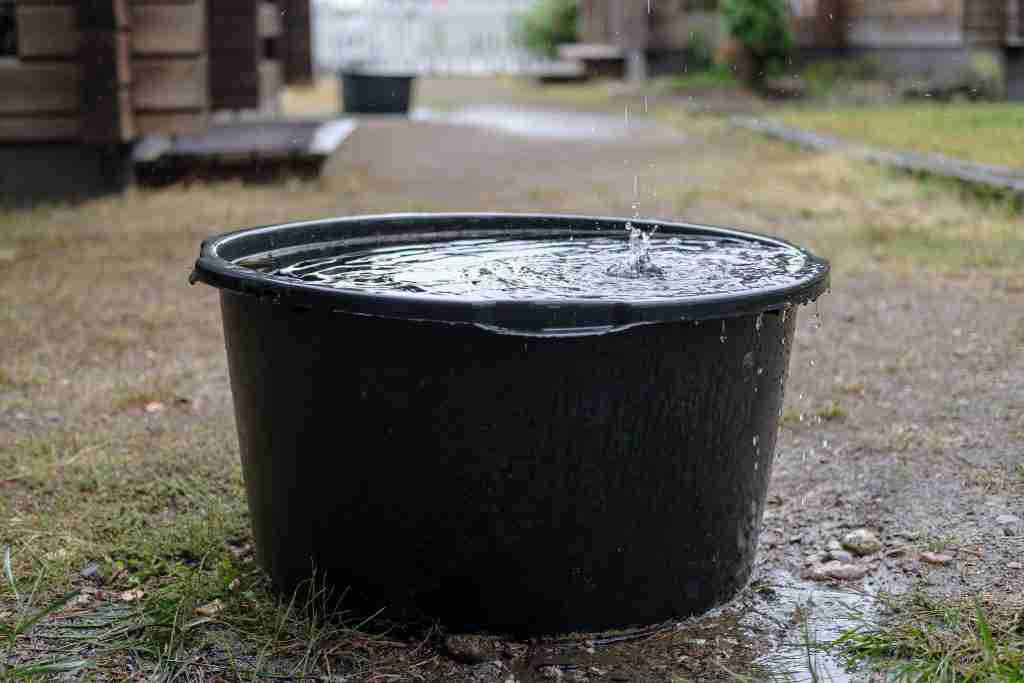
Rainwater harvesting is one of the simplest ways to make a home garden more sustainable while reducing dependence on municipal water. By capturing and storing rainfall, gardeners can create a supplemental water supply that supports healthy plants, lowers utility costs, and better uses a natural resource that would otherwise run off into storm drains. Whether you maintain a small backyard plot or a larger landscape, a rainwater harvesting system can be scaled to fit your needs.
Why Harvest Rainwater for Your Garden
Rainwater is naturally soft and free from many of the chemicals found in treated potable water. This makes it especially well-suited for watering plants, vegetables, and ornamental beds. Collecting rainwater also helps reduce demand on local water supplies during dry periods, which is increasingly important in areas with watering restrictions.
From a cost perspective, rainwater harvesting can lower water bills over time. Even modest systems can capture a meaningful amount of water during a typical storm. Sustainability-minded gardeners often appreciate that rainwater collection reduces runoff, erosion, and strain on stormwater infrastructure.
Components of a Rainwater Harvesting System
A rainwater harvesting system consists of several basic components that work together to collect, store, and distribute water.
The first part is the catchment surface, usually the roof of a home or shed. The amount of water you can collect depends on the roof area and the amount of rainfall. As a general rule, one inch of rainfall on one square foot of roof area yields approximately 0.62 gallons of water. This means even a modest roof can collect hundreds or thousands of gallons of rainwater over time.
Next is the conveyance system, which includes gutters and downspouts that direct rainwater from the roof to storage. Many systems use simple gutter attachments or downspout diverters to efficiently route water.
Storage is typically handled by rain barrels or larger tanks. Rain barrels are the most common choice for home gardens and are often made from food-grade materials. Storage capacity can range from a few dozen gallons to several hundred gallons, depending on available space and garden needs.
Finally, the distribution system allows you to use the collected water. This can range from a hose attached to the barrel to drip irrigation systems that deliver water directly to plant roots.
DIY Versus Commercial Rainwater Systems
Many gardeners start with a DIY rain barrel system because it is affordable and easy to install. DIY setups often use a single barrel connected to a downspout, paired with a hose or gravity-fed irrigation line. These systems work well for small gardens and raised beds.
Commercial rainwater harvesting systems offer more capacity and convenience. They may include multiple connected barrels, integrated filters, pumps, or overflow controls. While the upfront cost is higher, these systems can support larger gardens and more consistent watering.
Choosing between DIY and commercial options depends on budget, garden size, and how much water you plan to collect and use.
Design Tips for Garden Rainwater Harvesting
When designing a rainwater harvesting system, a few practical considerations can make the setup more effective and easier to maintain over time.
- Size your system based on both your garden’s water needs and your roof area. Even a small roof can collect hundreds of gallons of rainwater over a season.
- Plan for overflow. Barrels can fill quickly during heavy rainfall, so overflow outlets or additional storage help direct excess water away from foundations and garden beds.
- Use filters or screens at gutter and barrel inlets to keep leaves and debris out of the collection system and reduce maintenance.
- Elevate rain barrels slightly to improve gravity-fed water flow when using hoses or drip irrigation.
- Pair rainwater storage with drip irrigation systems to deliver water efficiently and reduce waste.
- Place barrels where they are easy to access for watering and cleaning while remaining discreet within the garden layout.
Rainwater Harvesting Maintenance and Local Regulations
Rainwater harvesting systems require regular maintenance to function properly. Gutters and filters should be cleaned periodically to prevent blockages. Barrels should be inspected for leaks and drained before freezing temperatures in colder climates.
It is also important to check local regulations. Some regions have guidelines or restrictions on rainwater collection, especially when the water is intended for indoor or potable use. For garden watering, rainwater harvesting is generally permitted, but homeowners should verify local codes to ensure compliance.
Rainwater collected for garden use should not be considered potable water unless it has been properly treated. Keeping systems clearly designated for irrigation helps avoid confusion.
Making the Most of Collected Rainwater
Rainwater harvesting allows gardeners to stretch their water supply further while supporting healthier plants. By understanding how much water your roof can collect and pairing that supply with efficient irrigation methods, you can make a noticeable impact on both garden performance and sustainability goals.
With thoughtful design and basic maintenance, a rainwater harvesting system becomes a reliable part of a low-maintenance garden routine that benefits both plants and the environment.
Experience Outdoor Living!
At Omni Outdoor Living, we make it our mission to help customers get the most out of their outdoor experiences. We offer quality outdoor products focused on outdoor recreation, DIY projects, entertaining friends and family, or just relaxing outside.


