
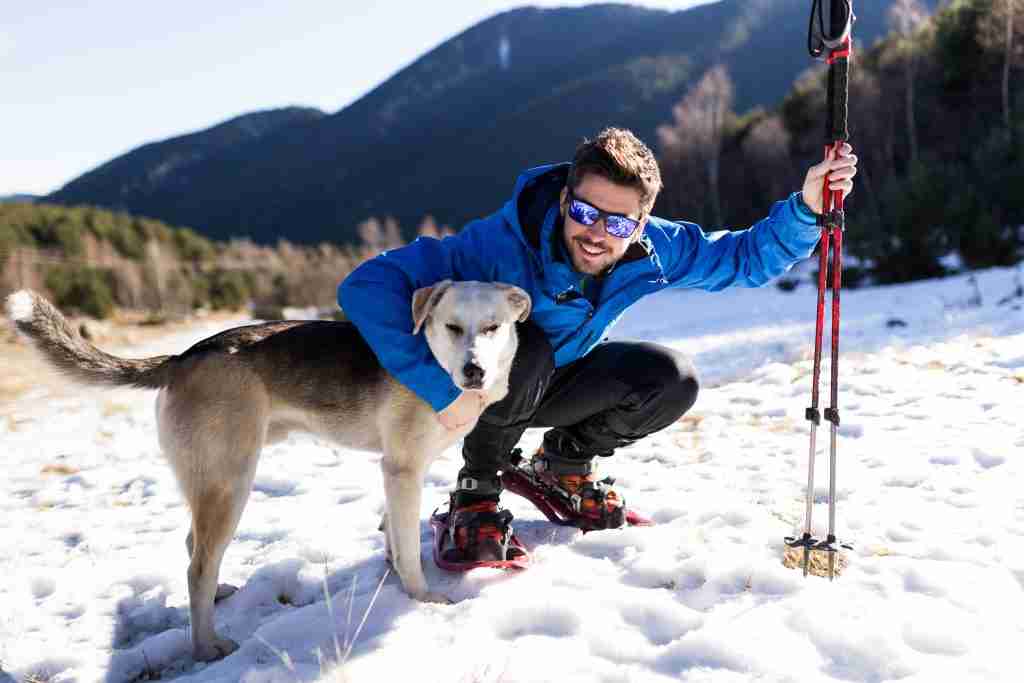
Once a means of survival and nomadic locomotion, snowshoeing has evolved into a relaxing yet invigorating recreational activity. There are so many reasons to get into snowshoeing, including all the benefits that come with it. Of all the outdoor sports, it’s one of the most simplistic, low-effort, and budget-friendly winter pastimes. Snowshoeing is a great form of physical activity that allows you to reap the benefits of both exercise and time spent outdoors. It’s also an easy, leisurely activity, making it perfect for socializing or spending time with loved ones. If you’re a beginner looking to get into it, venture on for tips and tricks about snowshoeing gear and more!
Getting Started: Snowshoeing Gear Checklist
There are a few essentials you’ll need before you start trekking in some fresh powder! Even with this list, the load remains light and simple for snowshoeing excursions!
Waterproof Snow Boots
You can imagine why you’d need waterproof snow boots for a long walk in the snow. If snow seeps through or sneaks into your boots and melts, you’ll have a very wet, cold, uncomfortable walk ahead of you. To get the most out of your time snowshoeing, opt for the highest-quality waterproof snow boots in your arsenal. Comfort will allow you to focus more on the benefits of exercise, socializing, and fun during your snowshoeing jaunt!
Thermal Layers
When spending time outdoors in the winter, the name of the game is layers, layers, layers! If you do manage to work up a sweat during your trek, you can always peel back a few layers. But you can’t add the ones you don’t have, so always over-bundle! The last thing you’d want is to go hypothermic in the middle of a desolate mountain trail. Stay warm with the right snowshoeing gear so you can stay snowshoeing!
Backpack
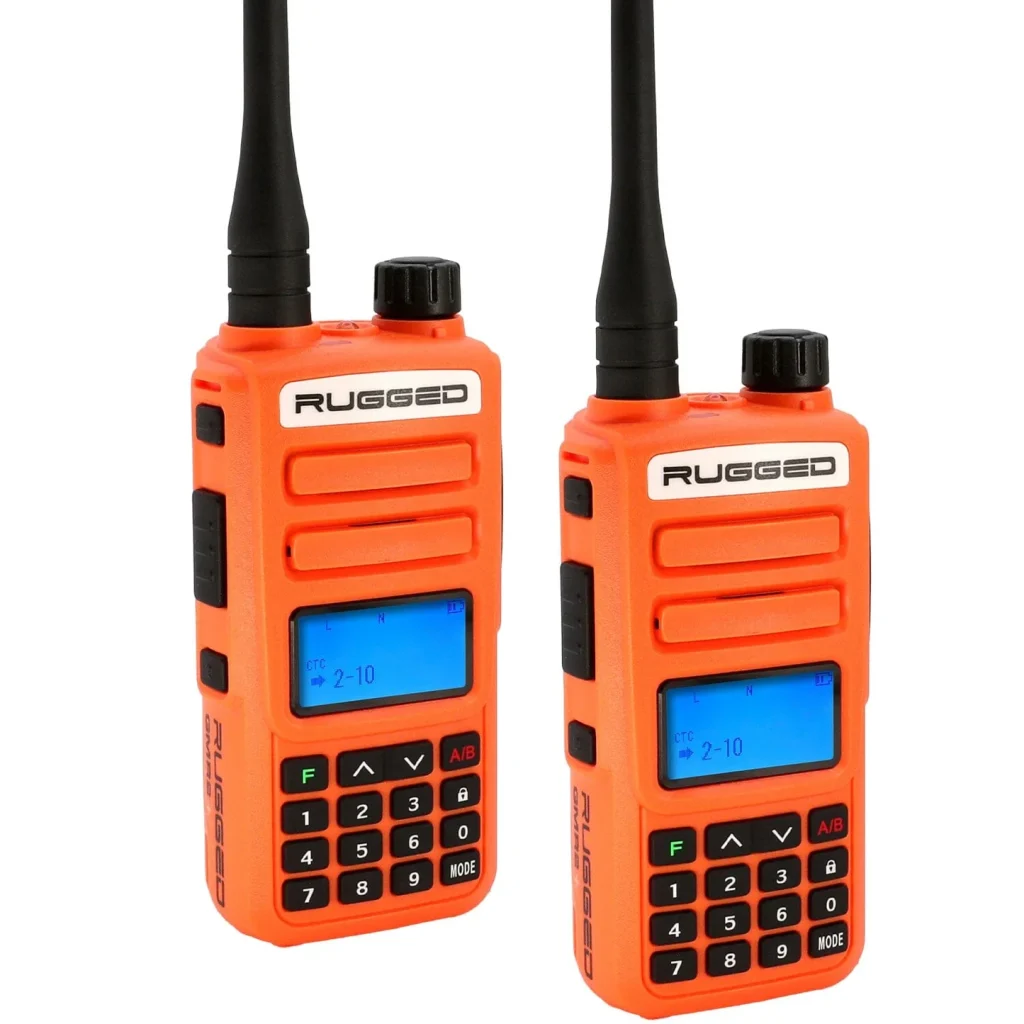
There are a few accessories you might want to throw in here for your winter wonderland trip. A compass, chargers, maps, two-way radios, snacks, and even a portable stove might do you good when you’re on that snow-covered trail.
Poles
Poles are, of course, optional when it comes to snowshoeing, and they’re a great option for those who want a bit of extra balance and support. They can also help you generate greater power for a more rigorous walk. Snowshoeing poles are by no means a necessity, but they can aid trekkers tremendously when going up or down steep slopes.
Snowshoes

Naturally, snowshoes are the single most important piece of snowshoeing gear you could get. They work by distributing the snowshoer’s body weight over a wider surface area, preventing feet from sinking into the snow. You’ll want to get snowshoes that are appropriate for your body weight, foot size, and terrain. If you’re a first-timer just trying the sport out, renting snowshoes might be preferable. However, if you’re ready to buy, here are the different types of snowshoes to examine:
Traditional Snowshoes
Traditional snowshoes are larger in size, meaning they provide a greater surface area. This makes it easier to travel on fresh powder without feeling like you’re sinking into the snow.
Bear Paw
This style provides wide coverage for top-notch stability, maneuverability, and tracking.
Modified Bear Paw
The modified bear paw style snowshoe is like the bear paw but with a slightly more elongated design. The lengthier shape provides better flotation atop powdery snow.
Huron
The Huron is like a descendant of the modified bear paw but introduces a pointed bottom. The point is designed to help the snowshoer keep the shoes straight when coming out of the snow.
Ojibwe
The Ojibwe-style snowshoe takes the pointed tip of the Huron and doubles it. Pointed tips on both the front and the back of these snowshoes provide even more direction and maneuverability to the shoe.
Alaskan
Alaskan-style snowshoes get their name from their use on Alaskan wilderness expeditions. Their elongated design makes them ideal for long-distance trekking. They’re also well-suited for versatile environments, performing well on deep powder, drifted snow, open trails, and more.
Modern Snowshoes
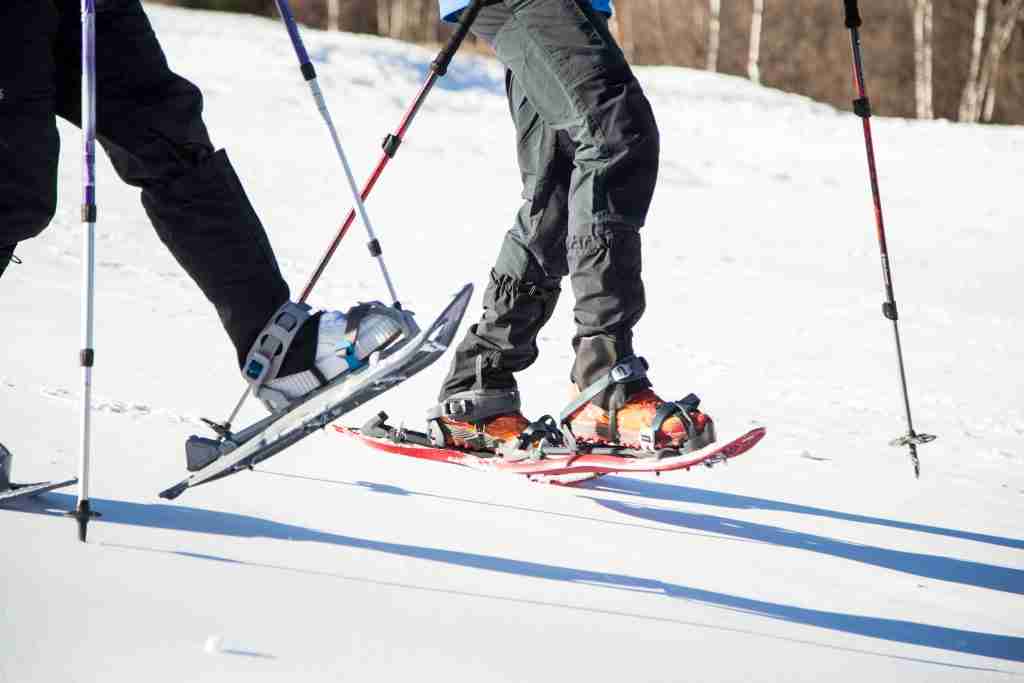
Modern snowshoes employ the latest, most up-to-date technology, along with lightweight yet durable materials like aluminum, composites, plastics, steel, and rubber. They excel in areas where snow might be more compact, as opposed to powdery. Compact snow might occur on trails that are frequently traveled on. Modern snowshoes are usually equipped with crampons or ice cleats that dig into the snow, providing enhanced traction. This snowshoeing gear elevates both safety and performance during the trek.
Flat Terrain Snowshoes
Flat-terrain snowshoes are the most simplistic modern snowshoes. They consist of a frame, a deck, and a binding. This minimal design is all you need for snowshoeing on flat land, making them the most affordable option.
Rolling Terrain Snowshoes
Rolling terrain snowshoes are designed for snowshoeing on hills and mountains. They feature ice cleats or crampons, which are essential for maintaining traction and maneuverability on any slope. The crampons and cleats on rolling terrain snowshoes also aid in traction on hard-packed snow or ice. This type of terrain is common on popular trails with lots of foot traffic.
Mountaineering/Back Country Snowshoes
The Mountaineering snowshoe is the Rolls Royce of snowshoes. Their design renders them the ultimate snowshoe, versatile enough to trek on anything from a steep, snow-covered mountain to a slippery frozen-over lake from hell! What sets their design apart from the others is their pivoting bindings, highly aggressive crampons, and heel lifts, which equip them for serious incline climbing.
Racing Snowshoes
Though this is not a common snowshoe for beginners, the option exists! Racing snowshoes are designed for those who want to take trekking to the next level- and run on the snow! Racing snowshoes sport a narrower design, allowing for a more organic stride. This is further facilitated by their articulating bindings or pivots. Don’t get these snowshoes for basic trekking. But hey, if you feel like channeling some god-like powers and sprinting over ice like a madman, there’s nothing stopping you.
Trekking Toward a Decision
To choose the right snowshoeing gear, envision where you want to trek the most. This will inform your decision. Take into account factors like affordability and versatility. If versatility is first and foremost, you should definitely consider back country snowshoes. If you’re just trying the sport out and you don’t want to invest too much upfront, flat terrain snowshoes are a fine option. When packing your gear, plan ahead and think about the different situations you could encounter while out on the snow. Also, think about the situations you would like to wind up in, like sipping hot chocolate at the mountain view!
Level Up Your Outdoor Gear!
At Omni Outdoor Living, we make it our mission to level up your gear to its highest potential, at the lowest price. Whether you’re traversing rough terrain or enjoying a relaxing evening in your backyard, we’re all about supplying you with the best of the best.


