
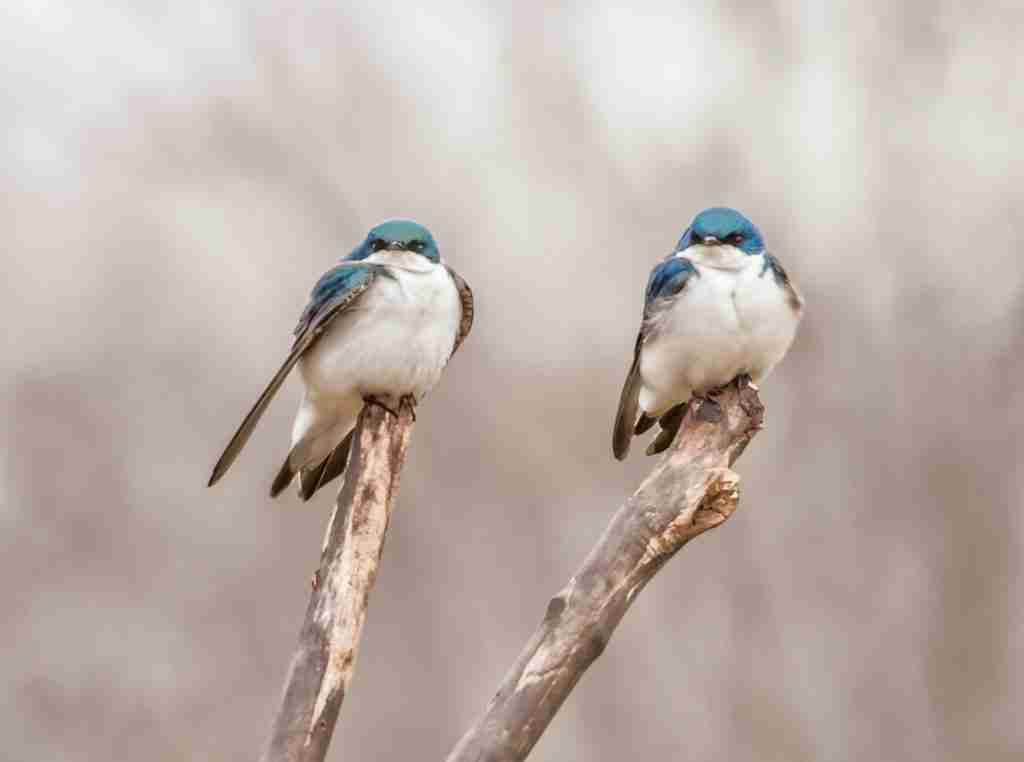
Birdwatching is an incredibly rewarding hobby that connects you with nature, sharpens your observational skills, and introduces you to the fascinating world of our feathered friends. Whether you’re a seasoned nature enthusiast or just beginning to explore the great outdoors, birdwatching offers an opportunity to engage with wildlife uniquely and peacefully. This beginner’s guide to birdwatching will walk you through everything you need to know to get started, from essential gear to expert tips and best practices.
The Basics of Birdwatching
Birdwatching, or birding, is more than just a pastime; it’s an immersive experience that encourages mindfulness and appreciation for the natural world. With over 10,000 species of birds worldwide, there’s always something new to discover, even in your own backyard. From the vivid plumage of songbirds to the majestic flight of eagles, birdwatching offers endless opportunities for observation and learning.
Bird Song
One of the most exciting aspects of birdwatching is learning to observe and interpret bird behavior. Birds are constantly communicating, both through vocalizations and physical displays. By paying attention to these behaviors, you can learn to identify not only species but also understand their actions and what they might mean.
Vocalizations, such as songs and calls, are vital tools in a bird’s communication arsenal. Songs, often more complex, are typically used by males to attract mates and defend territories, while calls are shorter and used for immediate communication between birds, such as signaling danger or coordinating with flock mates. You may notice birds calling to one another if there is a predator, like a hawk or owl, around. Recognizing these vocalizations is a crucial skill for any birder. Additionally, physical displays, like puffing up feathers, spreading wings, or even dancing, can provide insights into the social dynamics and mating rituals of different bird species.
Identifying Birds
The ability to identify birds by sight and sound is a skill that improves with practice. When identifying a bird, there are several key characteristics to pay attention to. Start by noting the overall size and shape of the bird—is it large like a hawk, small like a sparrow, or somewhere in between? The silhouette of a bird often provides the first clue to its identity. Next, observe the colors and patterns of the bird’s feathers, or plumage. Many species have distinct color patterns that make them easily identifiable; for example, the bright red of a male Northern Cardinal or the striking black-and-white pattern of a Downy Woodpecker is unmistakable. Also, take note of the bird’s behavior—how does it move? Does it hop along the ground, flit through the trees, or soar high above? Different species have characteristic behaviors that can aid in identification. Finally, consider the bird’s habitat. The environment where you spot the bird can also be a key identifier, as some birds are specific to certain habitats—waterfowl like ducks are found near water, while forest birds like warblers prefer wooded areas.
Where to Birdwatch
The beauty of birdwatching is that you can do it almost anywhere, but some locations are particularly rich in bird species, making them ideal for birding. Your own backyard can be a great place to start. By setting up bird feeders and bird baths, you can attract a variety of species to observe from the comfort of your home. Local parks and nature reserves often offer a diverse range of habitats, from forests to wetlands, providing opportunities to see a wide variety of bird species. For those looking for more specialized experiences, national parks, wildlife refuges, and bird sanctuaries are often home to rare and migratory species. These sites may also have observation decks and bird blinds, allowing for closer views without disturbing the birds.
When to Birdwatch
Timing is everything in birdwatching. The time of day and season can greatly influence the birds you see. Most birds are more active during the early morning and late afternoon—these times, known as the “golden hours,” are when birds are feeding, singing, and interacting most visibly. Additionally, migration seasons in spring and fall can bring an influx of bird species that you might not see at other times of the year. Winter birding, while less diverse, offers the chance to see species that only visit during colder months.
Leave No Trace
As a birdwatcher, it’s important to practice ethical behavior that respects wildlife and preserves natural habitats. Always observe birds from a distance to avoid disturbing them, especially during nesting season. Avoid getting too close to nests or fledglings, as this can cause unnecessary stress to the birds. Additionally, always obtain permission before bird watching on private land, and be mindful of your impact on the environment by sticking to established paths. Many birdwatchers also contribute to citizen science projects, where their observations help track bird populations and migration patterns. Participating in these projects not only contributes to scientific knowledge but also enhances your own birding experience.
Essential Gear for Birdwatching
Having the right gear is crucial for a successful birdwatching experience. While you don’t need to invest heavily right away, a few essential items can make your outings more enjoyable and productive.
1. Binoculars
A good pair of binoculars is the most important piece of equipment for any birdwatcher. They allow you to observe birds from a distance without disturbing them. When choosing binoculars, consider the magnification and lens diameter. A common recommendation for beginners is an 8×42 pair, which offers a good balance between magnification and field of view. Nikon and Bushnell binoculars are among the most popular brands for beginning birders.
2. Field Guide
A field guide helps you identify the birds you see. These guides typically include pictures, descriptions, and information about the habits and habitats of different bird species. You can choose between printed guides or apps that provide the same information digitally. National Geographic Field Guide to the Birds of North America is one of the most popular guides for birders in North America. Sibley’s Guide to Birds is another popular guidebook. If you prefer a digital guidebook, Cornell’s Ornithology Department created an app called Merlin ID. In this app, you can download bird packs that are specific to your location. Use the microphone and photo features to identify birds by sound and appearance!
3. Notebook and Pen
Keeping a record of your sightings is a great way to track your progress and improve your bird identification skills. A simple notebook and pen will suffice, but there are also birding journals specifically designed for this purpose that feature space to list the bird species, sex, and special features.
4. Camera
While not essential for beginners, a camera with a good zoom lens can enhance your bird-watching experience by allowing you to capture images of the birds you spot. These photos can be a great aid in identifying birds later or simply to share with fellow birding enthusiasts.
Tips for Attracting Birds to Your Backyard
One of the best ways to start birdwatching is by attracting birds to your own backyard. This allows you to observe a variety of species from the comfort of your home. Let’s explore how to attract birds to your backyard:
1. Set Up Bird Feeders
Bird feeders are a simple way to attract birds to your yard. Different types of feeders attract different species, so it’s a good idea to set up multiple feeders with a variety of seeds. For example, clover seeds may attract birds like Canda Geese and Wild Turkey.
2. Provide Water Sources
Birds need fresh water for drinking and bathing. A birdbath is an excellent addition to your backyard and can attract species that might not visit feeders.
3. Plant Native Vegetation
Planting native trees, shrubs, and flowers can create a natural habitat for birds. Native plants provide food and shelter, making your backyard a welcoming environment for a variety of bird species.
Best Practices for Birdwatching
Birdwatching is not just about spotting as many species as possible; it’s also about respecting wildlife and their habitats. Here are some best practices to follow:
1. Respect Wildlife and Their Habitats
Always observe birds from a distance to avoid disturbing them. Use binoculars or a camera with a zoom lens to get a closer look without intruding on their space. Avoid getting too close to nests or fledglings, as this can cause unnecessary stress to the birds.
2. Practice Patience
Birdwatching requires patience. Birds can be elusive, and it may take time to spot them. Quietly sit or stand in one place and let the birds come to you. Over time, you’ll learn to recognize the sounds and movements that signal the presence of different species.
3. Keep a Safe Distance
If you’re birdwatching in a group, keep noise to a minimum to avoid scaring away birds. Additionally, be mindful of your surroundings and other wildlife in the area.
4. Contribute to Citizen Science
Consider participating in citizen science projects, such as the Audubon Christmas Bird Count or eBird, where birdwatchers contribute data to help scientists track bird populations and migration patterns. Your observations can make a valuable contribution to conservation efforts.
Shop Omni Outdoor Living Today!
Birdwatching is a fulfilling and accessible hobby that can be enjoyed by people of all ages. With the right gear and a bit of patience, you can start discovering the diverse and beautiful world of birds around you. Whether you’re exploring a local park or observing from your backyard, the thrill of spotting a new species never gets old. Equip yourself with the essentials, follow best practices, and soon you’ll be embarking on a “Big Year.” For all your birdwatching needs, be sure to check out the selection of quality products at Omni Outdoor Living. Happy birding!


