
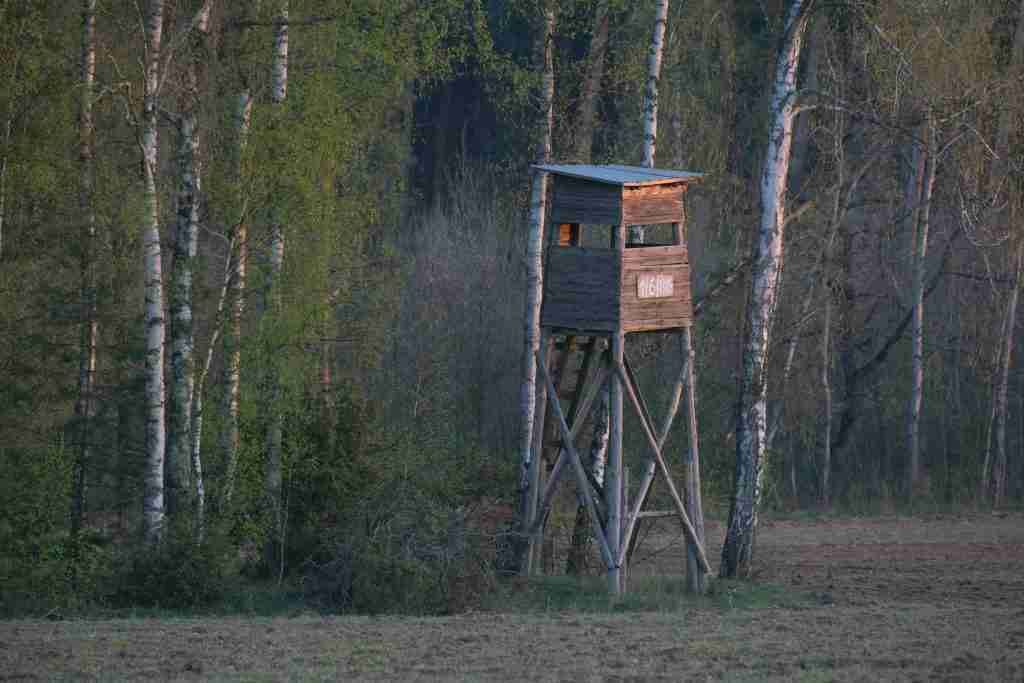
Picking the right treestand or ground blind can make or break your season before it even starts. Whether you’re hunting whitetails from the timber or setting up on the edge of a field, your stand choice shapes everything from scent control to shot angles. This treestand buying guide breaks down the four main stand types, covers the safety basics you can’t skip, and helps you figure out when and where to get your gear in place before opening day.
Why Ladder Stands Work for Serious Whitetail Hunters
If you’ve got a proven pinch point or a food plot you plan to hunt all season, a ladder stand is hard to beat. Most run two to three sections tall and lock tight against the tree, giving you a solid platform with a built-in seat. Many hunters on private land leave ladder stands in place for extended periods, though manufacturers recommend inspecting them regularly and replacing worn straps or hardware.
The downside is the weight. A quality ladder stand can easily weigh 60 pounds or more, and moving one by yourself is a real project. These work best when you’re hunting on private land with a long-term plan for a specific location.
Climbing Stands and the Mobile Hunter Advantage
Climbing stands are the go-to for hunters who chase fresh locations. You can be in a new tree every sit if you need to be, which is a huge advantage on pressured public land. Most climbers break into two pieces and are strapped to your back for the walk-in.
The limitation is tree selection. You need a straight trunk with no limbs below your target height. Oaks and maples often work well. If your hunting area has the right trees, a climber is one of the most versatile tools in your kit.
Why Mobile Hunters Love Hang-On Stands
Hang-on stands strike a balance between portability and placement flexibility. Since they go where sticks go, you’re not limited by tree diameter or branch-free trunk requirements the same way you are with climbers. They’re also quieter to set up when you’re being careful about noise during the hang.
The setup takes more time and gear than a ladder stand or climber, since you need climbing sticks to reach your hang height. But for hunters who like to pre-hang multiple sets and rotate based on wind, hang-ons are the workhorse of the operation.
Ground Blinds and When They Outperform Elevated Sets
Sometimes the trees just aren’t there, or the terrain calls for something different. Ground blinds work best in open country and along field edges. They are great anywhere you need concealment at ground level. These stands also give you a huge advantage when hunting with new hunters or younger kids, since movement inside is much more forgiving than elevated platforms.
Setup matters a lot with ground blinds. Most experienced hunters recommend getting your blind out well before the season to air it out and let the local deer get used to it. Brushing it in with natural vegetation from the area speeds up that process. Pair your blind with a good hunting chair or stool to stay comfortable during long sits.
What do you need to know about treestand safety?
Treestand accidents are one of the leading causes of hunting injuries, and the vast majority of them are preventable.
The single most important piece of gear you can own is a full-body safety harness. Wear it from the moment your feet leave the ground to the moment they touch down again. Many accidents happen on the way up or down, not while hunters are sitting.
A lineman’s belt makes hanging your stand much safer by keeping you attached to the tree during setup. Beyond that, always use a lifeline or continuous loop so you’re connected to the tree for the full climb. Maintain three points of contact when ascending or descending, and never rush, especially in cold or wet conditions.
Finally, always let someone know where you’re hunting and when to expect you back. It sounds basic, but it matters more than any piece of gear.
How early should you put up your tree stand?
Timing your setup is almost as important as your stand selection. Get in too late, and you risk scaring away the deer before the season even opens. Many hunters prefer to hang permanent stands several weeks before opening day to minimize disturbance, though timing varies based on hunting pressure and local conditions.
Early summer is a popular time to scout and hang stands, though later-year vegetation changes may require adjustments to shooting lanes. Use your trail camera data from the off-season to dial in travel routes and feeding areas before you ever pick up a stand.
Additionally, hanging stands early gives you time to sort your hunting equipment storage, inspect safety gear, clear shooting lanes, and make adjustments before the season begins.
Choosing the right stand comes down to knowing how you hunt. If you’re committed to a location, a ladder stand gives you the stability and comfort to stick it out. Get your setup in place early, never skip the harness, and you’ll be in a much better position when opening day finally gets here.
Treestand Buying Guide: Frequently Asked Questions
Is a ladder stand or a climbing stand safer?
Both are safe when used correctly with a full-body harness. Ladder stands are often considered easier for newer hunters to use because they provide a fixed ladder and a stable platform. Climbers carry more risk on the ascent and descent, especially in wet conditions.
What weight rating do I need on a treestand?
Always choose a stand rated for well above your body weight plus gear. Most treestands are rated between 250 and 350 pounds, though some heavy-duty models exceed that range. Always follow the manufacturer’s specified weight limit.
How early should you set up treestands before hunting season?
Many hunters prefer to hang permanent stands several weeks before opening day to minimize disturbance. If you’re hunting highly pressured land or a spot that sees heavy human traffic, giving it even more time is a good call.
Do ground blinds need to be brushed in?
It helps a lot, especially for deer. Brushing your blind with natural cover from the surrounding area helps it blend in and reduces the unnatural silhouette. Leaving it out for a few weeks before the season also lets deer get comfortable with it.
Can I hunt from a treestand without a harness?
You can, but you shouldn’t. No shot opportunity, trophy animal, or sense of convenience is worth the risk. Wear your harness every time, every climb.
What’s the lightest treestand for a public-land hunter?
Most serious public-land hunters gravitate toward hang-on stands in the 15–20-pound range, paired with lightweight climbing sticks. Some saddle hunters go even lighter, though saddle hunting has its own learning curve. Look for stands built with aluminum frames for the best weight-to-strength ratio.
Experience Outdoor Living!
At Omni Outdoor Living, we make it our mission to help customers get the most out of their outdoor experiences. We offer quality outdoor products focused on outdoor recreation, DIY projects, entertaining friends and family, or just relaxing outside.


