
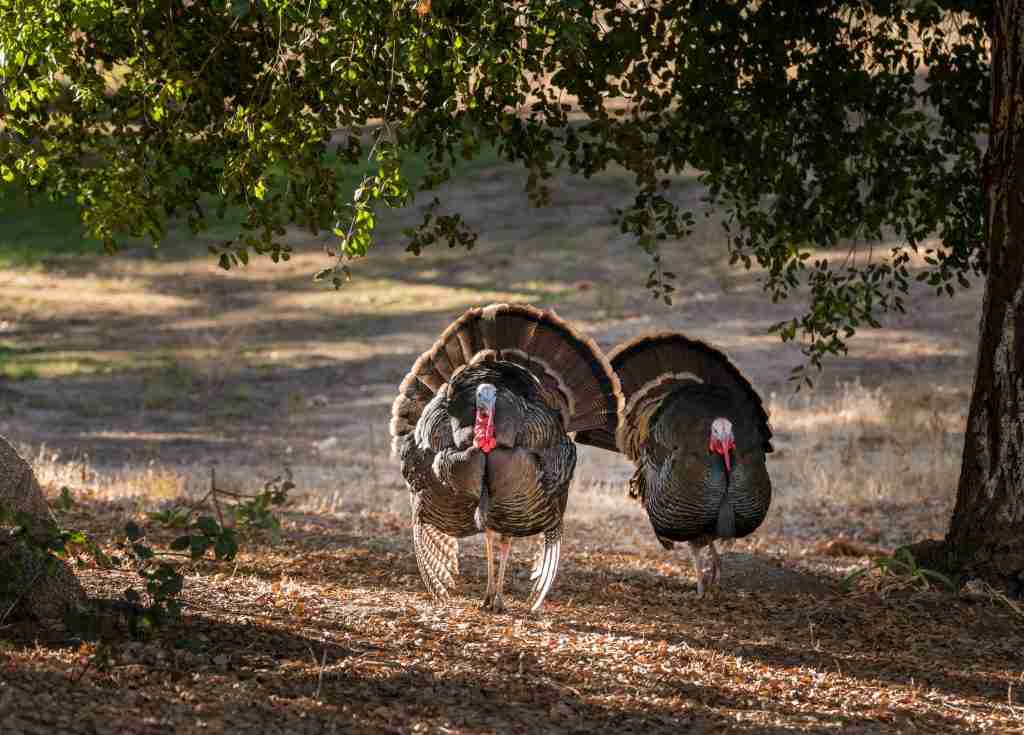
Turkey hunting is one of the most engaging forms of outdoor recreation. It blends patience, awareness, and strategy in a way few other hunts do. While it may seem simple on the surface, success often depends on preparation, timing, and the ability to adapt in the field.
Both new and experienced hunters can benefit from refining their approach. Understanding turkey behavior, selecting the right gear, and choosing strong setups all play a role in a successful hunt. With the right turkey-hunting essentials, each trip becomes more productive and rewarding.
Understanding Turkey Behavior in the Wild
Wild turkeys rely heavily on their senses to survive. Their eyesight is sharp, and their hearing is even sharper. Because of this, hunters must remain aware of every movement and sound they make.
Turkeys follow fairly predictable patterns. In the early morning, they leave their roost and begin feeding. This is when they are most vocal and responsive to calls. During the spring season, gobblers actively search for hens, which makes calling especially effective.
As the day progresses, turkey movement can slow. However, mid-morning often creates new opportunities as birds separate and begin moving independently. Recognizing these shifts in behavior allows hunters to adjust their strategy instead of relying on a single approach.
Essential Turkey Hunting Gear
The right gear supports both comfort and performance. Turkey hunting often involves long periods of stillness, so equipment should help you remain steady without sacrificing mobility.
Key turkey hunting essentials include:
- A reliable shotgun or bow
- Camouflage clothing suited to the terrain
- A hunting vest or pack for carrying calls and gear
- A comfortable seat for extended sitting
- Decoys to attract and position birds
Hunters who remain comfortable tend to stay focused longer. Small improvements in gear can make a noticeable difference over the course of a hunt. Options like turkey hunting vests, hunting chairs, and stools help reduce fatigue and allow for better positioning in the field.
Turkey Calls and Decoy Strategy
Calling is one of the most interactive parts of turkey hunting. Hunters use calls to mimic hens and draw gobblers into range. While the tools themselves are simple, using them effectively requires timing and control.
Common calls include box calls, slate calls, and mouth calls. Each type produces a slightly different sound and volume, which allows hunters to adjust based on distance and terrain.
Success with calling often comes from restraint. Overcalling can make turkeys cautious, especially in areas with hunting pressure. Short, realistic sequences tend to work better than constant noise.
Decoys add another layer to your setup. Placing turkey hunting decoys in visible areas gives approaching birds a clear point of focus. When combined with calling, decoys can guide turkeys into an ideal position.
Choosing the Right Setup and Location
Location remains one of the most important factors in turkey hunting. Turkeys prefer areas where they can move easily between feeding and cover.
Hunters should look for signs such as tracks, feathers, and scratch marks. These indicators help confirm recent activity and narrow down potential setups.
Ground blinds are especially useful in more open terrain. Using turkey hunting ground blinds allows hunters to stay concealed while maintaining a clear line of sight.
Positioning also matters. Sitting against a tree or natural barrier helps break up your outline and reduces the chance of being spotted. A well-planned setup often leads to better shot opportunities.
Staying Concealed and Minimizing Movement
Turkeys are extremely sensitive to movement. Even small, sudden actions can alert a nearby bird.
Remaining still is one of the most effective strategies a hunter can use. When movement is necessary, it should be slow and deliberate. Controlled motion is far less likely to draw attention.
Full camouflage helps reduce visibility. Gloves and face coverings are often overlooked but can make a significant difference. When concealment is done well, hunters gain more control over the encounter.
Timing Your Hunt for Success
Timing plays a major role in hunting success. Early morning remains the most productive period, as birds are active and responsive.
Mid-morning offers another opportunity, particularly when gobblers begin searching again after separating from hens. Afternoon hunts can also be effective in areas with lighter pressure.
Weather conditions can also influence turkey behavior. Calm mornings typically produce better calling responses, while windy conditions may require adjustments in strategy.
Planning around these patterns allows hunters to stay flexible and improve their chances of success.
Safety and Ethical Hunting Practices
Safety should always remain a priority. Hunters must clearly identify their target before taking a shot and stay aware of their surroundings at all times.
Using proper safety equipment, especially when hunting from elevated positions, helps reduce risk. Ethical practices are just as important. Responsible hunters take clean shots, respect wildlife, and follow local regulations.
These habits protect both the hunter and the sport’s long-term health.
Preparing for a Successful Hunt
Turkey hunting requires a balance of patience, preparation, and adaptability. The more time you spend understanding the process, the more consistent your results will become.
Focusing on behavior, gear, and positioning helps create better opportunities in the field. Each hunt builds experience, and each experience improves future performance.
Whether it is your first season or part of a long-standing tradition, the right approach can turn a simple outing into a truly rewarding hunt.
Experience Outdoor Living!
At Omni Outdoor Living, we make it our mission to help customers get the most out of their outdoor experiences. We offer quality outdoor products focused on outdoor recreation, DIY projects, entertaining friends and family, or just relaxing outside.


