
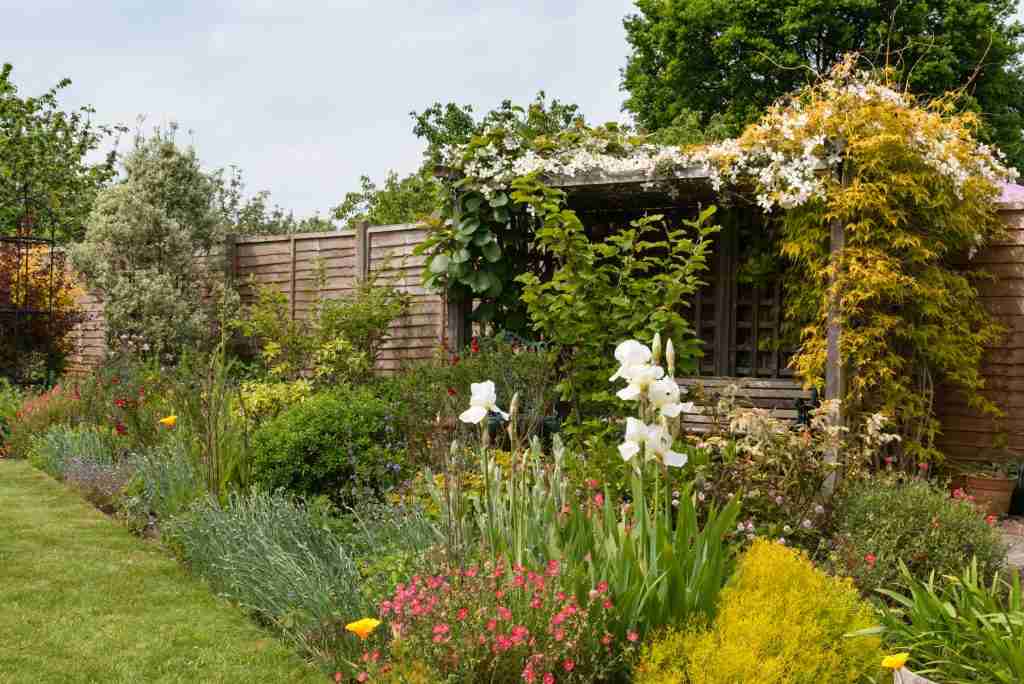
Creating a garden that looks good without constant upkeep often starts with choosing the right plants. Native plant gardening focuses on species that naturally grow in your region and are adapted to the local climate, soil, and wildlife. For homeowners who want a low-maintenance garden that supports pollinators and conserves water, native plants offer a practical and rewarding path. Here’s what you need to know about native plants for your region.
What a Native Plant Is and Why It Matters
A native plant is one that lives naturally in a specific region for thousands of years. These plants are adapted to local rainfall patterns, temperatures, and soil conditions. Because they belong in the landscape, they tend to establish more easily and require less intervention once mature.
Native plants also play an important role in supporting local ecosystems. Birds, insects, and pollinators rely on native species for food and shelter. When gardens include native plants, they help restore the balance that can be lost in developed areas.
Benefits of Native Plants in Home Gardens
One of the biggest advantages of native plant gardening is reduced maintenance. Native plants generally need less watering once established, making them a smart choice for water-wise gardens. They are also more resistant to local pests and diseases, which reduces the need for chemical treatments.
Fertilizer use is often lower as well. Native plants are adapted to existing soil conditions and typically thrive without heavy amendments. Over time, this supports healthier soil and a more resilient garden.
Another benefit is seasonal interest. Many native plants offer blooms, seed heads, and foliage changes that add texture and visual appeal throughout the year.
How to Choose Native Plants for Your Region
Selecting native plants starts with understanding your region. Climate, rainfall, and soil type all influence which plants will perform best. In the United States, native plant lists are often organized by broad regions such as the Midwest, Southeast, Southwest, and Pacific Northwest.
Local extension offices, native plant societies, and botanical gardens are excellent resources for region-specific recommendations. Pay attention to whether plants prefer full sun or shade, dry or moist soil, and whether they are suited for gardens, borders, or naturalized areas.
When comparing native versus exotic garden plants, consider how much ongoing care each will require. Exotic plants may look appealing, but often need more water, pruning, and pest control to thrive outside their native environment.
Native Plant Ideas by Region
Native plants vary widely across the United States, shaped by differences in climate, rainfall, soil, and seasonal extremes. Choosing plants that naturally thrive in your region improves long-term success and reduces maintenance. Here are some examples of common plants by region.
Midwest Native Plants
Gardens in the Midwest experience a wide range of conditions, from cold winters to hot summers and everything in between. Native plants from this region are well-suited to these shifts and tend to perform reliably without constant attention, especially in open, sunny spaces.
Common Midwest native plants include:
- Purple coneflower, valued for its long bloom time and pollinator support
- Black-eyed Susan, a reliable perennial with bright summer color
- Prairie dropseed, an ornamental grass with fine texture and fall interest
- Serviceberry, a small tree or shrub offering spring flowers and edible berries
- Wild bergamot (also called Bee Balm), which attracts bees and tolerates dry conditions once established
Southern Native Plants
In the South, long growing seasons and warm temperatures shape how plants grow and thrive. Native species here are accustomed to heat and humidity, making them dependable choices for gardens that need to withstand intense summers.
Popular Southern native plants include:
- Beautyberry, known for its striking purple fruit and wildlife value
- Oakleaf hydrangea, which provides large blooms and strong fall color
- Coral honeysuckle, a native vine that attracts hummingbirds
- Switchgrass, a tough ornamental grass that adds structure and movement
- Southern magnolia, an evergreen tree with large, fragrant flowers
Western Native Plants
Much of the western United States is defined by bright sun and limited rainfall. Native plants from this region are naturally efficient with water and often develop deep root systems that help them survive dry periods with minimal irrigation.
Common Western native plants include:
- California poppy, a low-maintenance annual with vibrant color
- Penstemon, which offers tubular flowers favored by pollinators
- Yarrow, a hardy perennial that tolerates heat and low water
- Manzanita, an evergreen shrub with distinctive bark and form
- Sagebrush varieties, valued for their resilience and wildlife habitat
Northeastern Native Plants
The Northeast’s changing seasons create opportunities for gardens with year-round interest. Native plants in this region are adapted to cooler temperatures and seasonal moisture, offering reliable growth and strong visual appeal year-round.
Frequently used Northeastern native plants include:
- Asters, which provide late-season blooms for pollinators
- Ferns, ideal for shaded or woodland garden areas
- Ninebark, a hardy shrub with textured bark and spring flowers
- Red twig dogwood, valued for winter color and wildlife benefits
- Milkweed, an essential host plant for monarch butterflies
Garden Design Tips for Native Plant Landscaping
Thoughtful design helps native plant gardens feel intentional while keeping maintenance low. A few planning choices can make a big difference in how the garden looks and performs over time.
- Group plants with similar water and sunlight needs to simplify care and reduce stress on individual plants.
- Mix native perennials with shrubs to create layers, visual depth, and seasonal interest throughout the garden.
- Allow plants enough space to grow to their mature size, which improves airflow and reduces the need for frequent pruning.
- Use mulch or natural ground covers to retain moisture, suppress weeds, and protect soil health.
- Leave seed heads and ornamental grasses in place through winter to add texture and provide habitat for birds and beneficial insects.
- Define paths, edges, or borders to give native plant landscapes a polished look, especially in residential settings.
Building a Low-Maintenance Garden Over Time
Native plant gardening works best when approached gradually. Start with a few well-chosen plants and allow them time to establish. As they settle in, maintenance needs typically decrease while the garden becomes more resilient.
By choosing plants suited to your region, you create a garden that works with nature rather than against it. The result is a landscape that saves time, conserves resources, and supports local wildlife while remaining visually appealing year after year.
Experience Outdoor Living!
At Omni Outdoor Living, we make it our mission to help customers get the most out of their outdoor experiences. We offer quality outdoor products focused on outdoor recreation, DIY projects, entertaining friends and family, or just relaxing outside.


